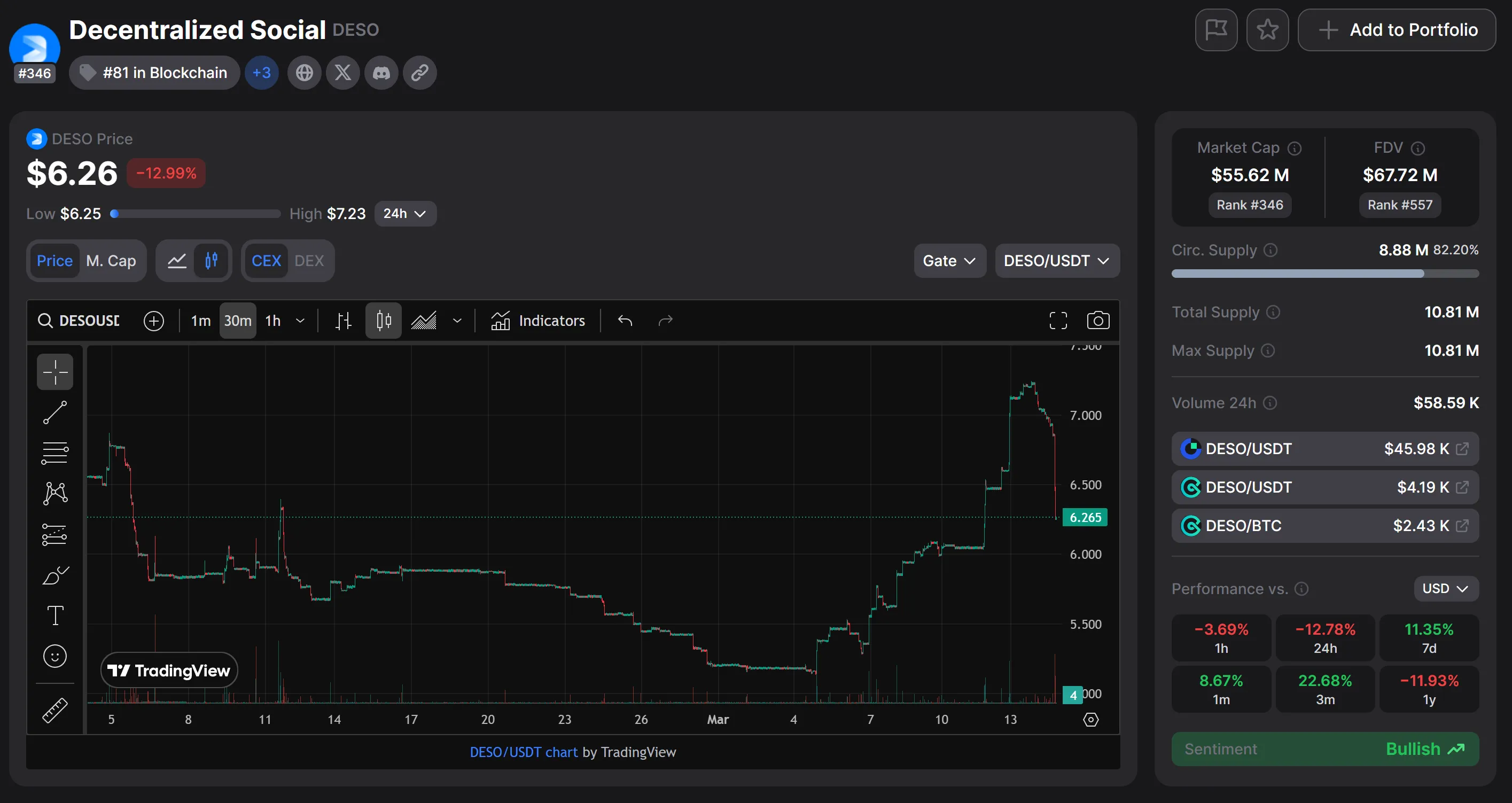
On March 12, 2026, the SEC filed a joint motion to dismiss its civil lawsuit against Nader Al-Naji, the founder of the BitClout/DeSo platform.
However, the regulator clarified that this decision is based on the specific circumstances of the case and does not reflect the Commission’s position on any other cases.
Background. The case was initiated in July 2024, when the SEC accused Al-Naji of raising over $257 million through the unregistered sale of BTCLT tokens—the native token of the BitClout social media blockchain platform, later rebranded as DeSo.
According to the SEC, Al-Naji misled investors by presenting BitClout as a project without centralized management and operating under the pseudonym “Diamondhands” to create the illusion of a fully autonomous project. The regulator also alleged that approximately $7 million of investor funds were spent on personal expenses, including the rental of a mansion in Beverly Hills and large cash gifts to family members.
The co-defendants in the case were Al-Naji’s wife, his mother, as well as three companies under his control and the DeSo Foundation.
In 2021, Al-Naji rebranded BitClout as DeSo (short for “Decentralized Social”), opening the network to third-party applications. Among the project’s initial investors were big names such as Andreessen Horowitz, Coinbase Ventures, and the Winklevoss brothers from Gemini.
In parallel with the SEC’s civil lawsuit, in July 2024, the U.S. Attorney’s Office for the Southern District of New York filed criminal charges of wire fraud. On February 28, 2025, Magistrate Judge Henry Ricardo granted the prosecutors’ motion to dismiss the criminal charge “without prejudice,” meaning that, in theory, the criminal case could have been reopened, but in practice, the charges were dropped.
Thus, by March 2026, both lines of prosecution against Al-Naji—the civil case by the SEC and the criminal case by the Department of Justice—were effectively concluded in his favor. This decision fits into a broader trend: under Chairwoman Paula Atkins, the SEC has discontinued with prejudice a number of high-profile cryptocurrency cases initiated under the previous administration, including proceedings against Coinbase, Binance, and Gemini.