
Alpha
What Are Telegram Stickers?
Telegram stickers are tokenized collectibles tied to TON, attracting major brands, millions in sales, and sparking debates over official markets.
Quick Overview
- Over 150 sticker packs launched, generating $10M+ for creators.
- Secondary sales volume also passed $10M and keeps rising.
- Open Builders pioneered the first Sticker Store; TON Foundation followed.
- Popular collections include BAYC, Pudgy Penguins, and DOGS OG.
- Tools like Sticker Checker help track portfolio and sticker prices.
Origins of Telegram Stickers
Telegram stickers are unique digital collectible items distributed within the Telegram messenger. In essence, they resemble Telegram gifts that users can exchange with each other or put up for sale. However, there are several fundamental differences. For example, they cannot be displayed on a profile, they are not distributed randomly, and they do not have unique traits (characteristics).
Pavel Durov first mentioned NFT stickers during his speech at the Token 2049 event in Dubai on April 19, 2024. At that time, he promised to launch a native Telegram feature for creating NFT stickers and emojis, which would be available to artists worldwide. According to the initial idea, artists would receive 95% of sales revenue, opening up new opportunities to monetize their work.
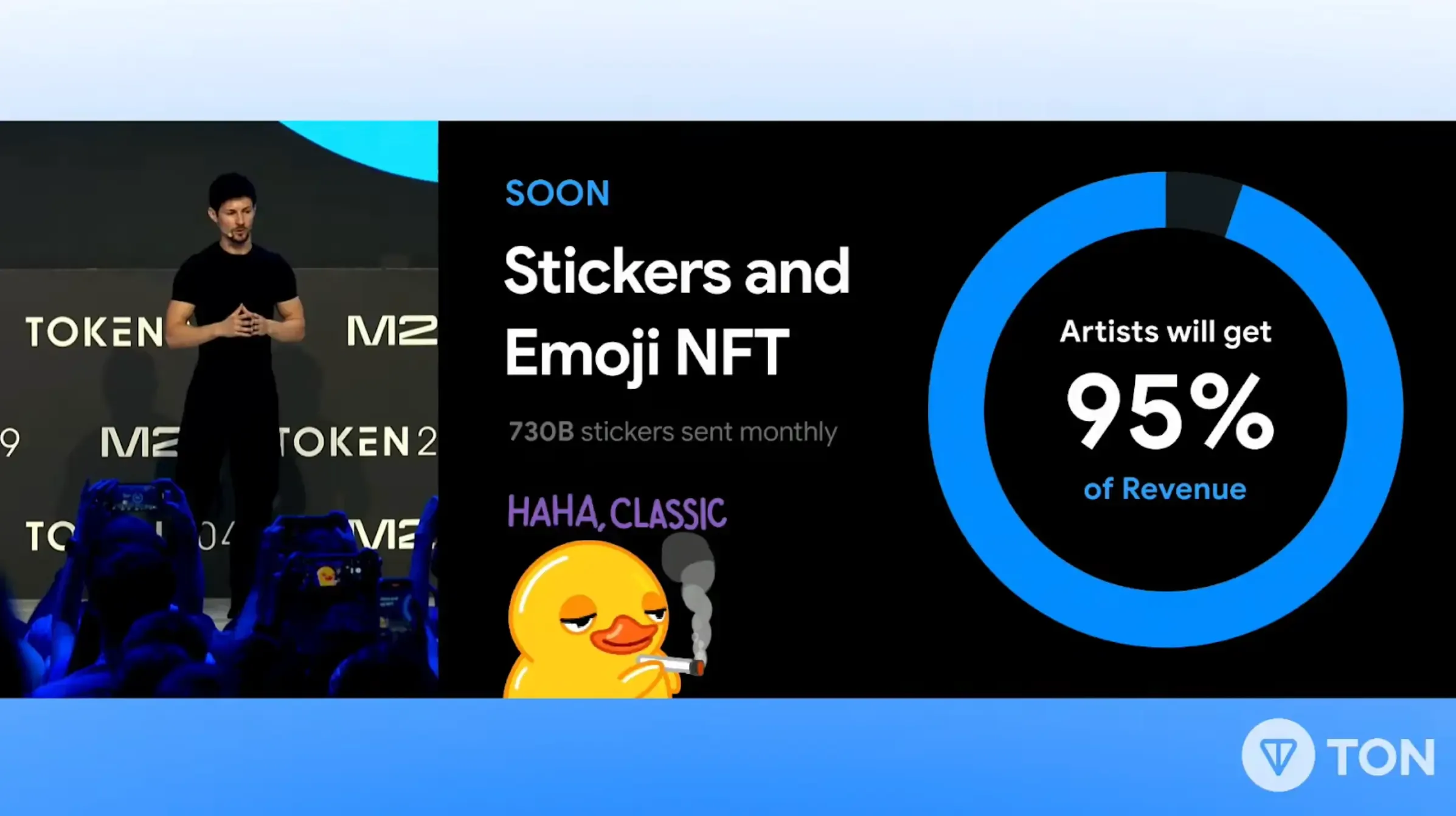
Despite Pavel Durov’s statements in April 2024, the functionality he spoke about never appeared. However, third-party developers picked up the idea and began working on their own implementation.
Stickers by Open Builders
On the night of December 20–21, 2024, the first and, to this day, the largest Sticker Store was officially launched by the Open Builders team. At the very beginning, users could purchase stickers featuring BAYC monkeys, Dogs OG, and so on. The first sellout happened within an hour of the platform’s launch, after which people slowly began to buy up the remaining sticker packs.
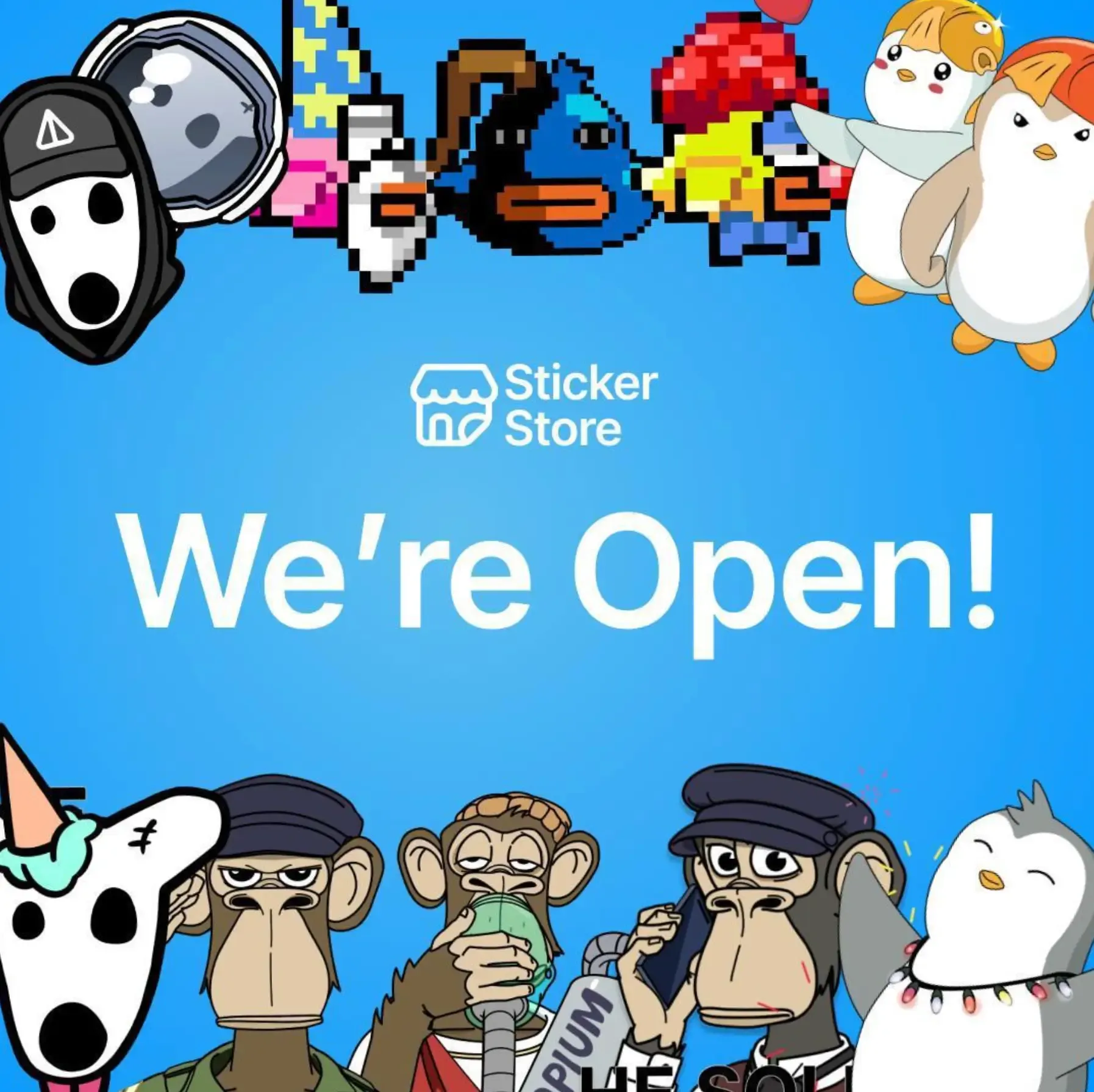
Unfortunately, the marketplace initially offered very limited functionality. Users could only buy stickers and add them to their collection, mixing them with regular ones. No one really understood the point of their existence, since absolutely anyone could use a pack and add it to their account. Yet people kept buying them anyway. This was the first step toward the Telegram sticker boom.
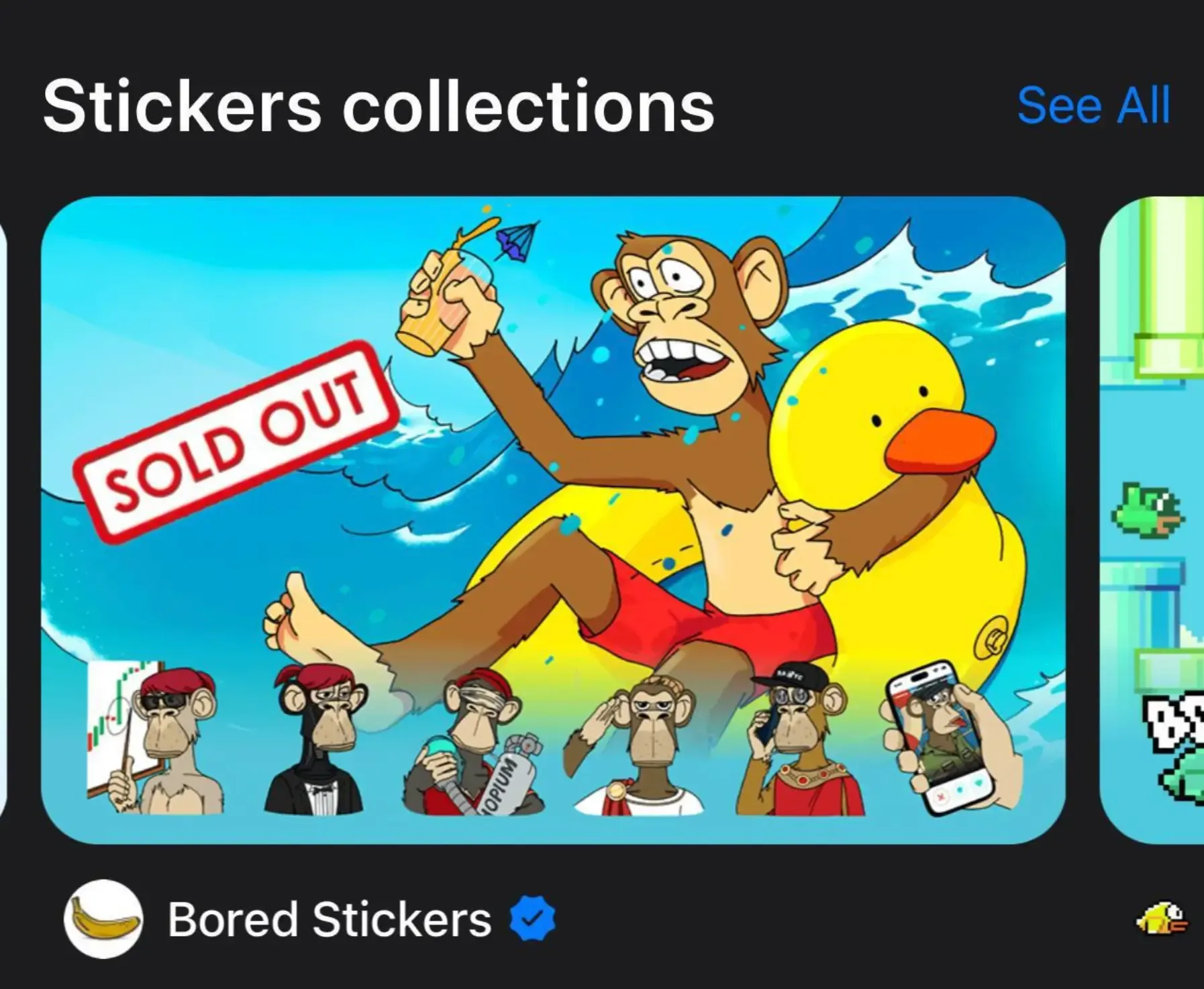
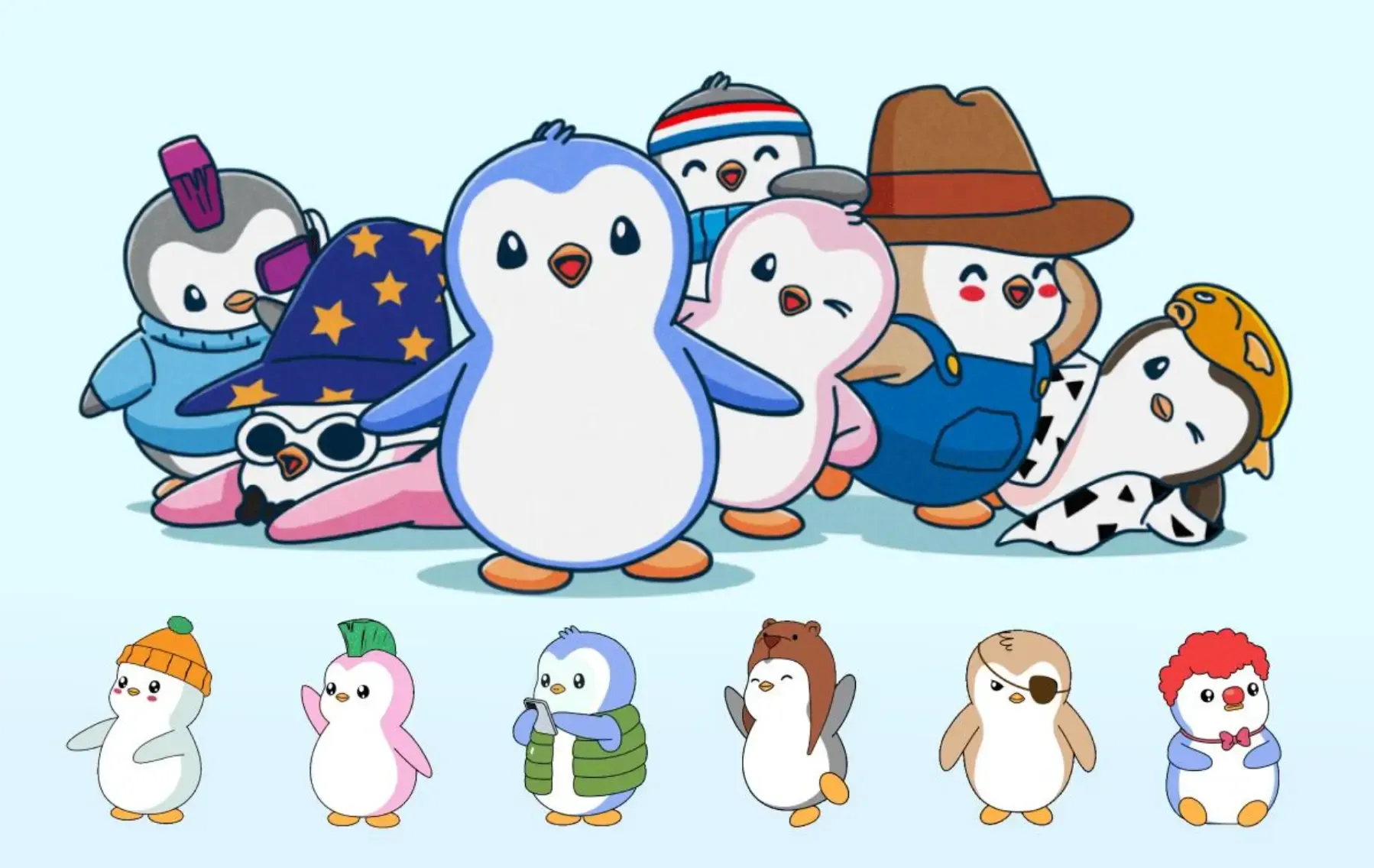
Over time, the Sticker Store expanded with new collections and collaborations. Right before New Year, the first official collaboration with Pudgy Penguins appeared, which sold out completely in just a few hours. Pudgy Penguins didn’t stop there, releasing several more collaborations with various brands such as NASCAR and Baby Shark. Alongside the penguins, the Sticker Store also welcomed dogs of all breeds (Baby Doge, Sundog, Lost Dogs), Doodles, Azuki, Claynozaurs, and many other well-known brands. Users created private chats where they discussed the future of their investments, shared market thoughts, and simply socialized with each other.
However, things were far from smooth. Frustration grew because the previously promised functionality had still not been implemented. Sticker minting, transfers, and sales were still not available to users. Meanwhile, the number of collections kept growing.
On April 9, 2025, a long-awaited event took place: Open Builders launched the official Marketplace, where users could finally trade their stickers. In addition to trading, it became possible to transfer stickers to one another. But the good times didn’t last long — the very next day the marketplace was taken down for technical maintenance (which is still ongoing). However, not all of the new functionality was revoked: users could still transfer stickers, which initially gave rise to a spontaneous OTC market, and soon after, third-party developer marketplaces began to appear. The secondary market was given the green light.
Amid the large-scale FOMO around gifts, sticker prices soared. Many collections multiplied in value, rewarding patient holders who had been quietly buying potentially profitable collections all along. The crowd favorites turned out to be Pudgy Penguins and Not Cap.
As the Sticker Store’s popularity grew, so did the number of people eager to get their hands on unique stickers at launch. Each new drop from a big name was accompanied by server crashes, bot swarms, endless loading screens, and frustration, as the coveted stickers sold out instantly while nothing ever appeared on the user’s screen.
“Official” Telegram Stickers
On August 27, an announcement of a new Sticker Store from the Ton Foundation appeared on X (Twitter). A repost from TON’s official account was accompanied by Notcoin’s signature phrase — Probably Nothing. The marketing campaign began with an emphasis that this marketplace was the official one, where everything would be transparent and on-chain.
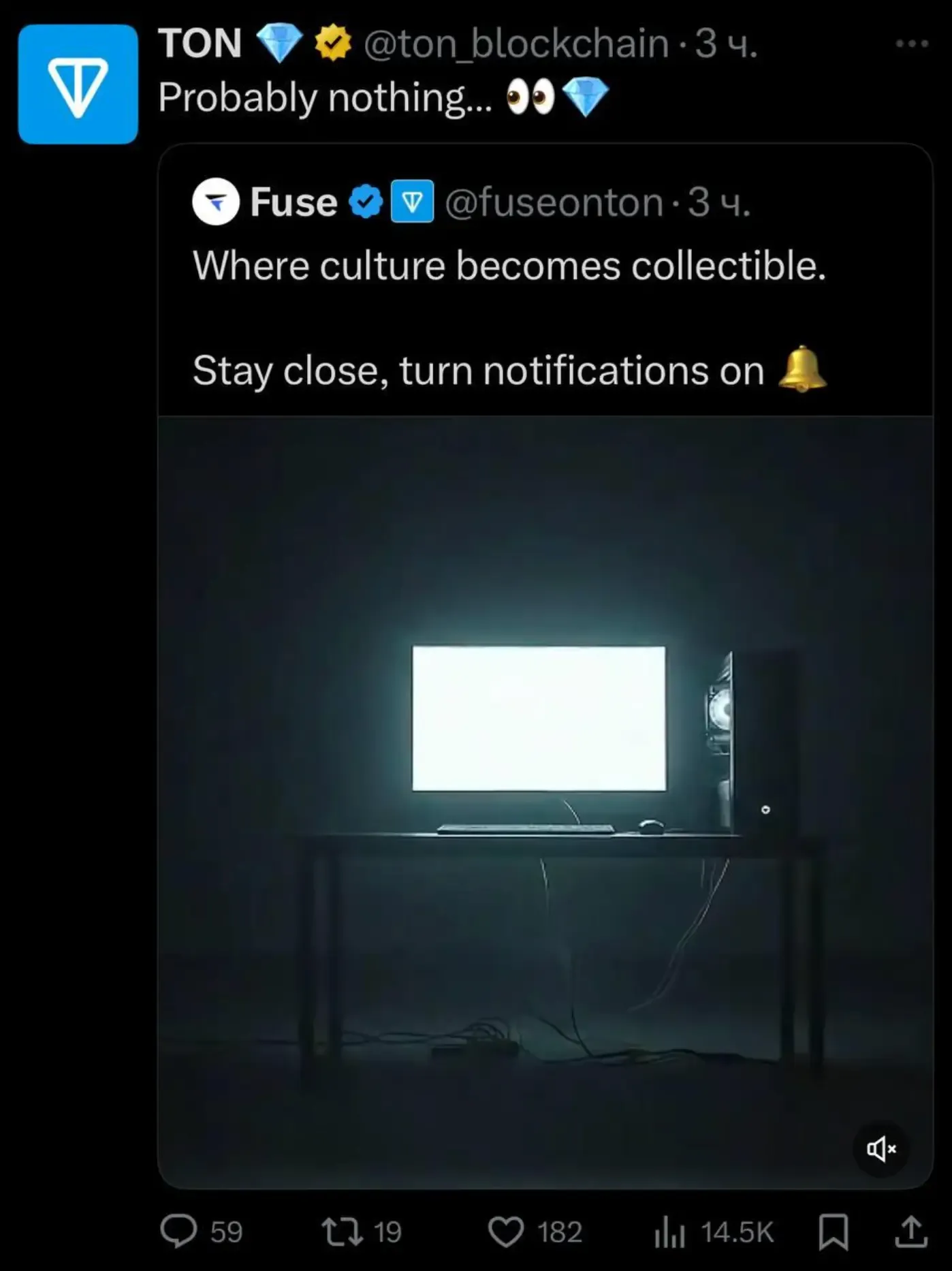
As one might guess, the Ton Foundation decided to throw shade at Open Builders. They chose a path of advertising by undermining their competitors. Naturally, such rhetoric did not sit well with Alexander Plotvinov (CEO of Open Builders, aka Sasha Notcoin), and his response came quickly.
His frustration is understandable, since despite the rough edges in distributing stickers in his store, they truly were the first to launch and amplify this narrative 8 months earlier, introducing a large number of top IPs to the Telegram and TON ecosystem. Now the Ton Foundation was stepping into a heated market and, leveraging its status, trying to reframe it with wording favorable to themselves.
Even in a lengthy explanatory post from Ton Foundation president Max Crown, the rhetoric read uncomfortably like: “Thanks for your contribution, we’ll take it from here.”
Later, information also surfaced that in conversations with potential partners, Max Crown had been actively stressing that their marketplace and stickers should be considered the official ones. However, these were only Alexander’s claims — unfortunately, there is no other way to verify them.
It’s worth noting that on the same day after the announcement, FUSE did change its header, also clarifying that all sticker stores could switch to the NFT 2.0 format if desired. Still, the reputational damage to the TON ecosystem had already been done.
Fuse account header on X (Twitter) during the launch announcement
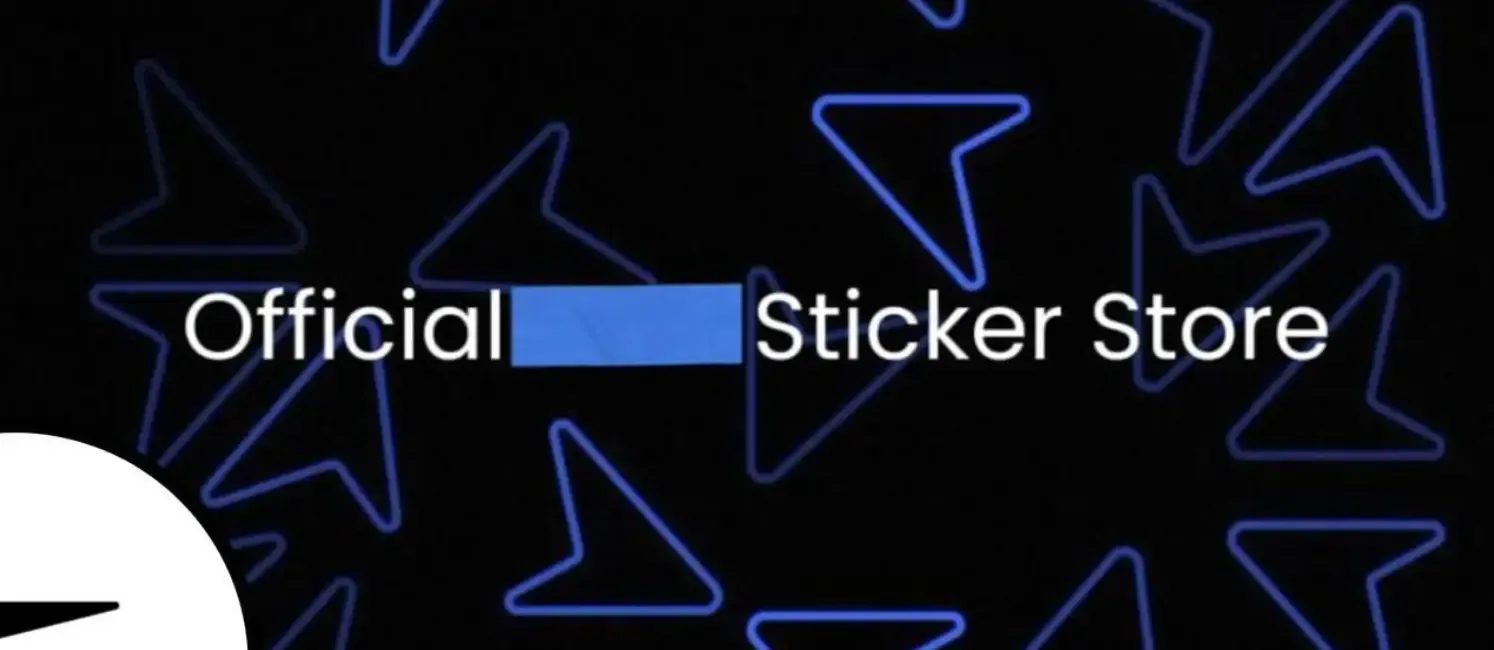
Header after the exchange with Alexander Plotvinov
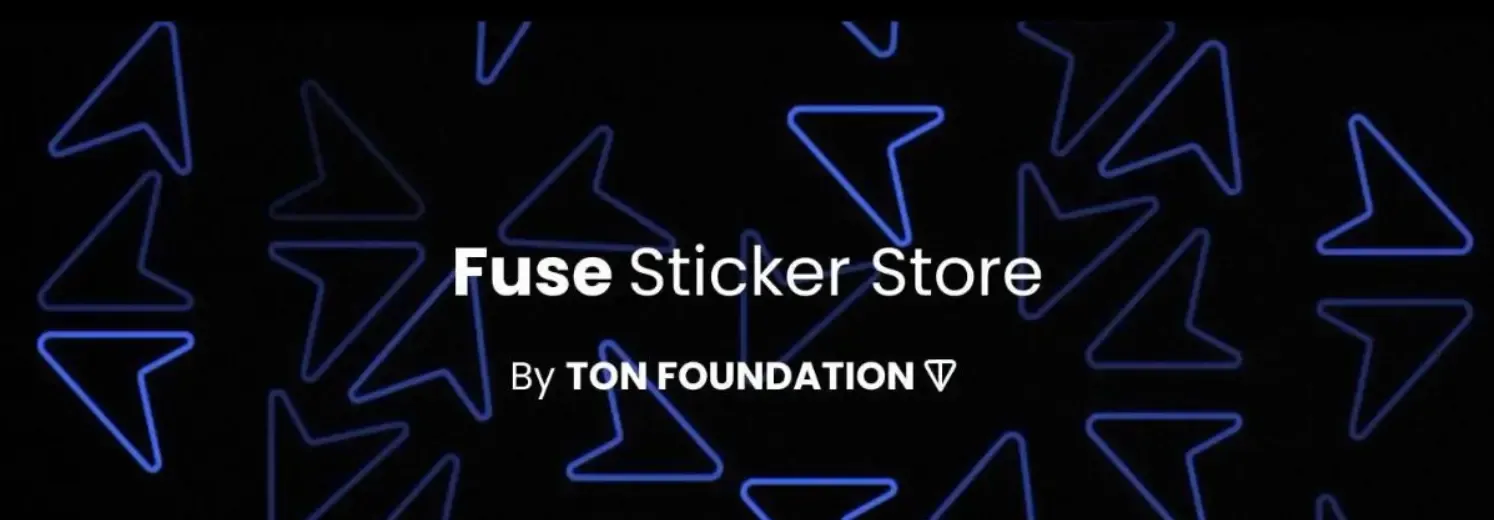
Since its launch, FUSE has released several stickers, but they have not gained significant popularity within the community.
Telegram Sticker Statistics
In total, more than 150 sticker packs from different brands have been released, generating over $10 million for their creators.
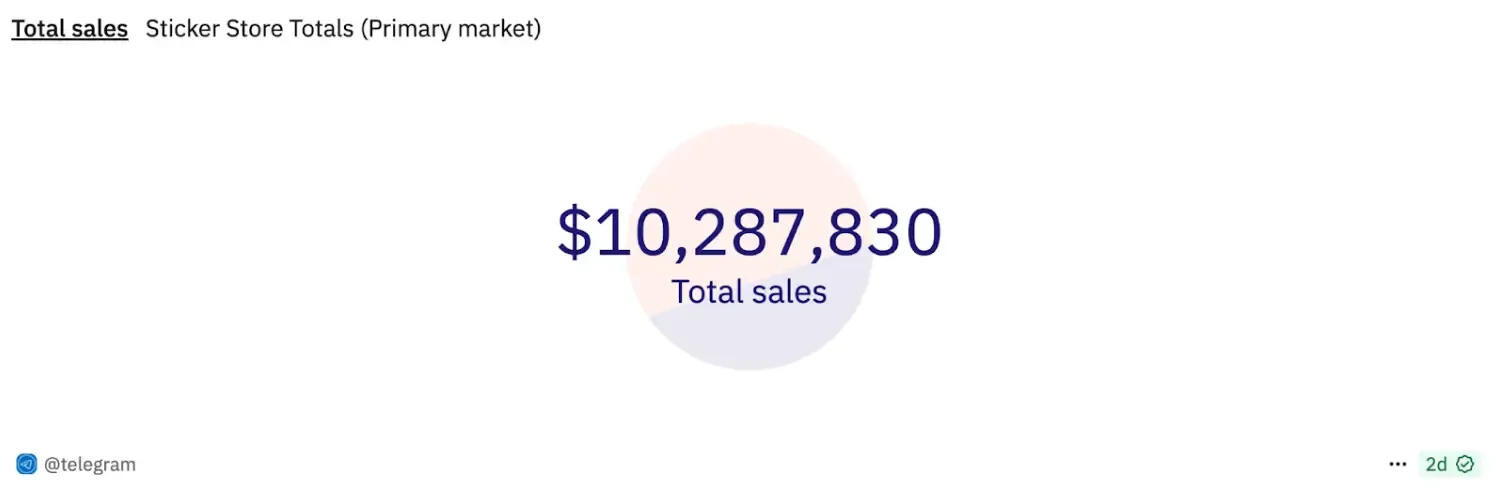
Over time, cumulative secondary market volume has also reached $10 million and continues to grow.
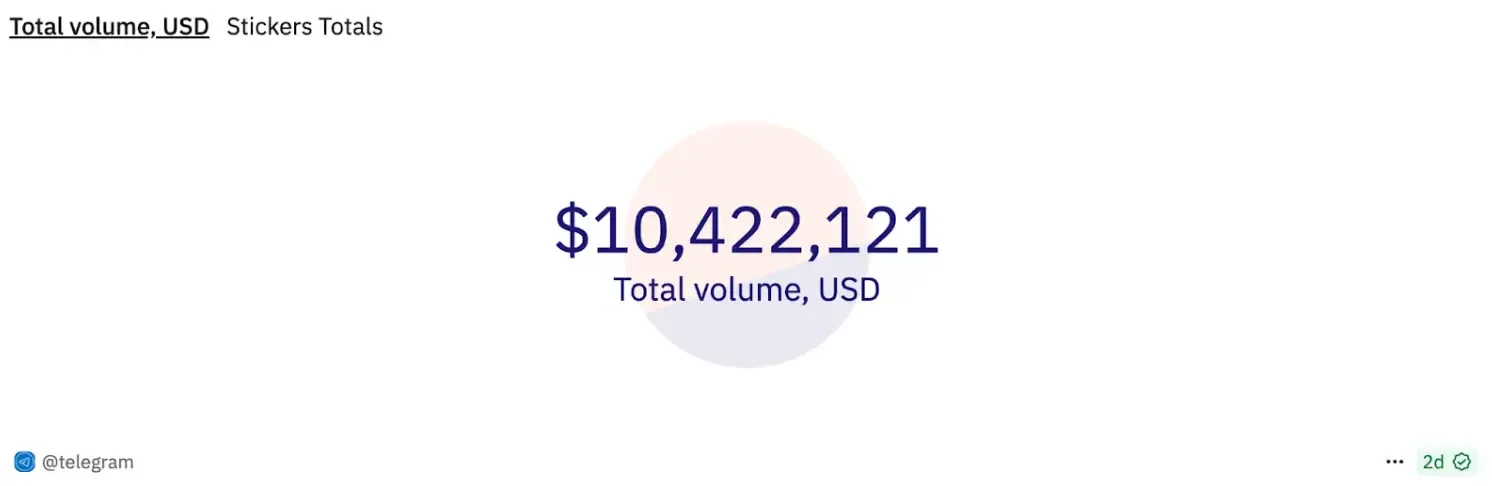
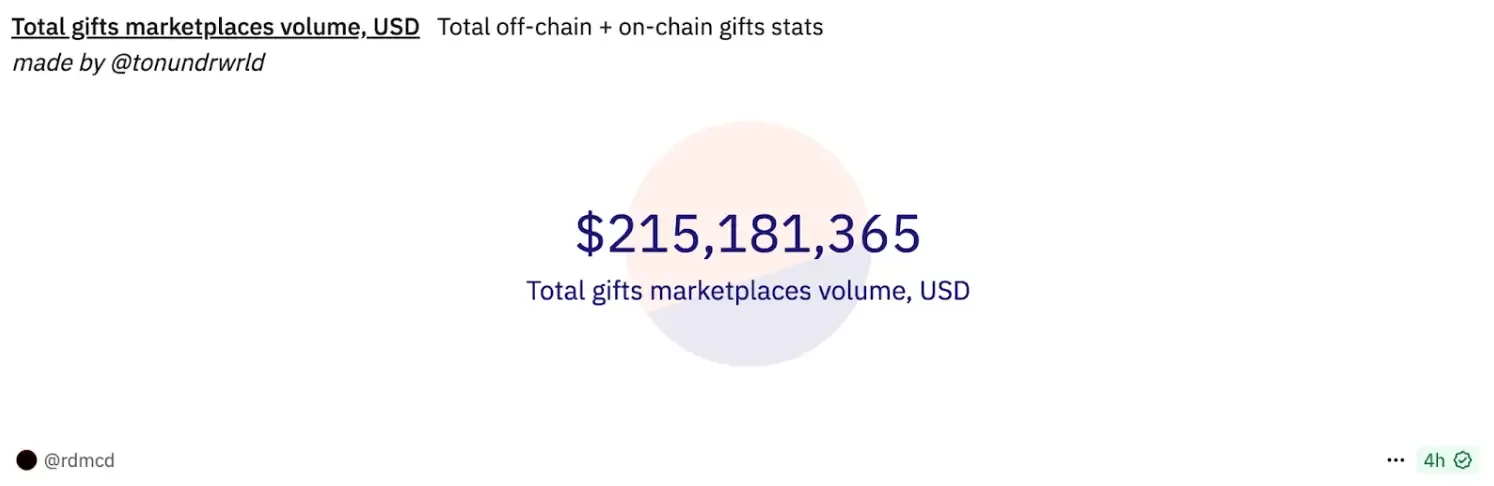
If we compare this with sales volumes of Telegram gifts, we see a significant gap, which indicates that stickers are far less popular among users. There may be several reasons for this:
- Lack of ability to display stickers on one’s profile;
- Semi-official status (Telegram itself does not distribute stickers);
- Long absence of the initially promised features (sale/transfer);
- The ability to use limited stickers in chats is open to everyone, regardless of ownership status.
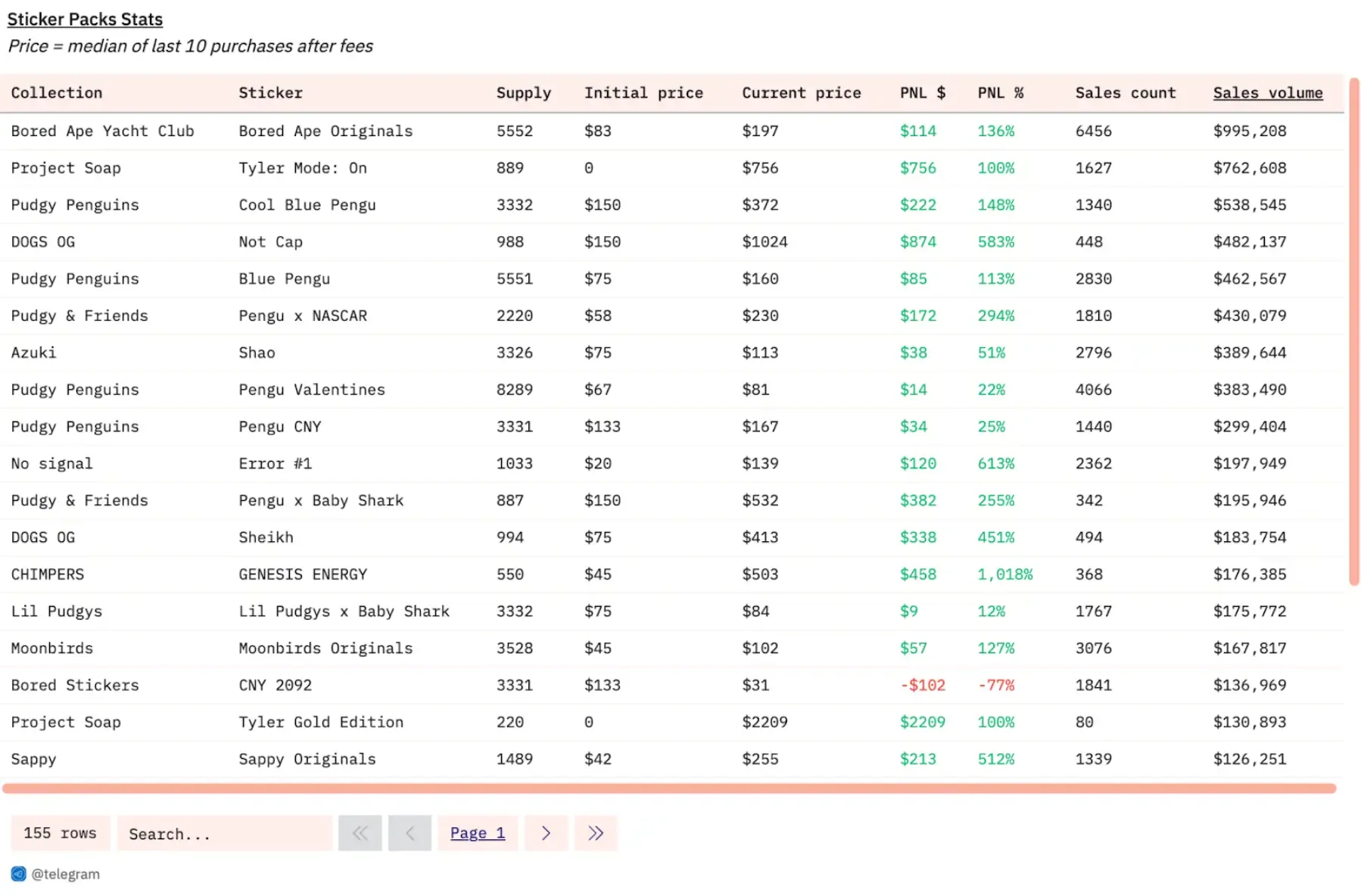
The most popular collections by sales volume are BAYC, Project Soap, Pudgy Penguins, and DOGS OG.
How to Buy Telegram Stickers?
You can purchase stickers either during a drop in the store or by buying them on the secondary market.
Buying During a Drop
We’ll review how to buy stickers in the Open Builders store:
1. Go to the Mini App store and launch it.
2. On the main page, select the collection you’re interested in, for example, Dogs OG.
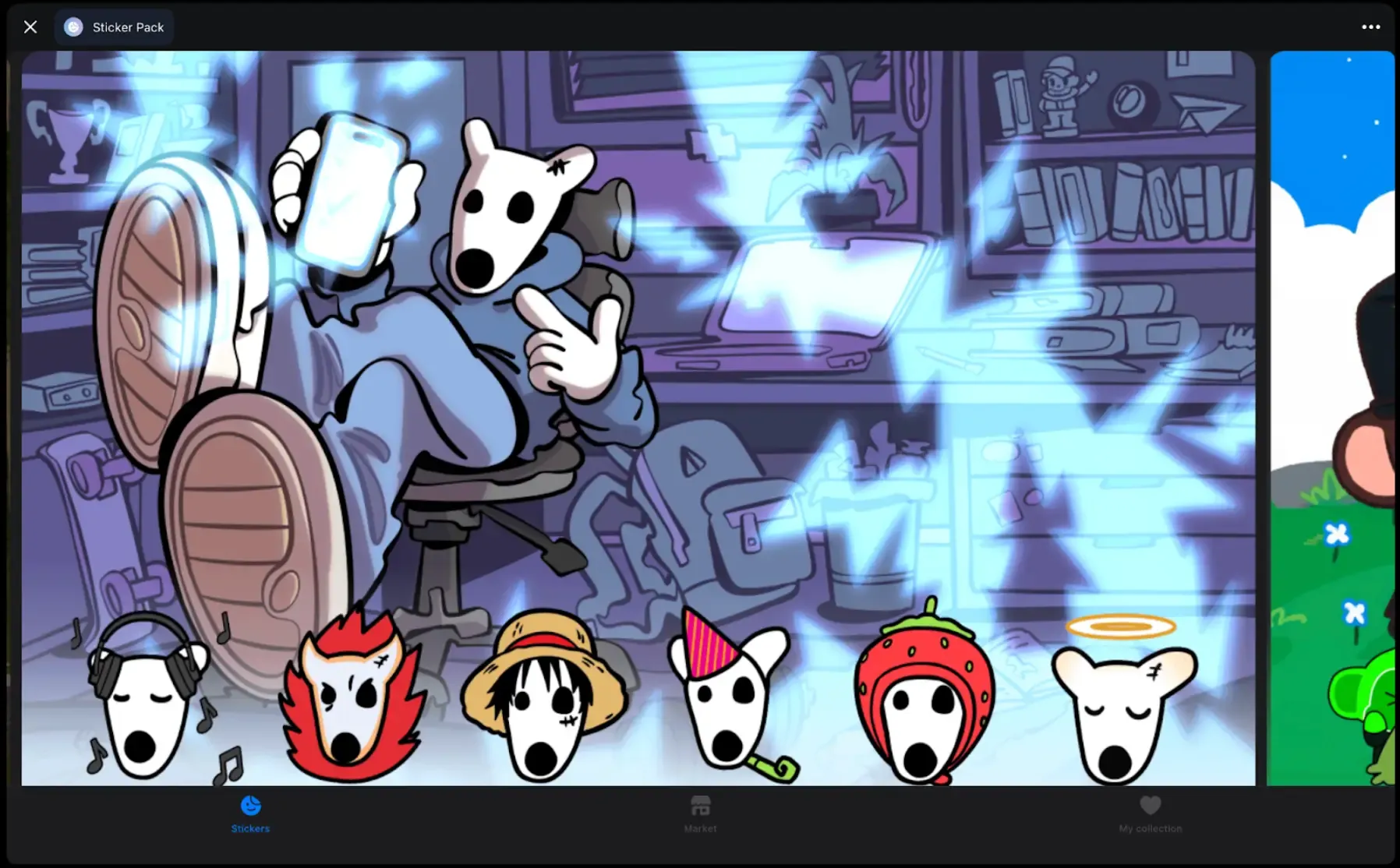
3. Choose the sticker pack you like and click on it.
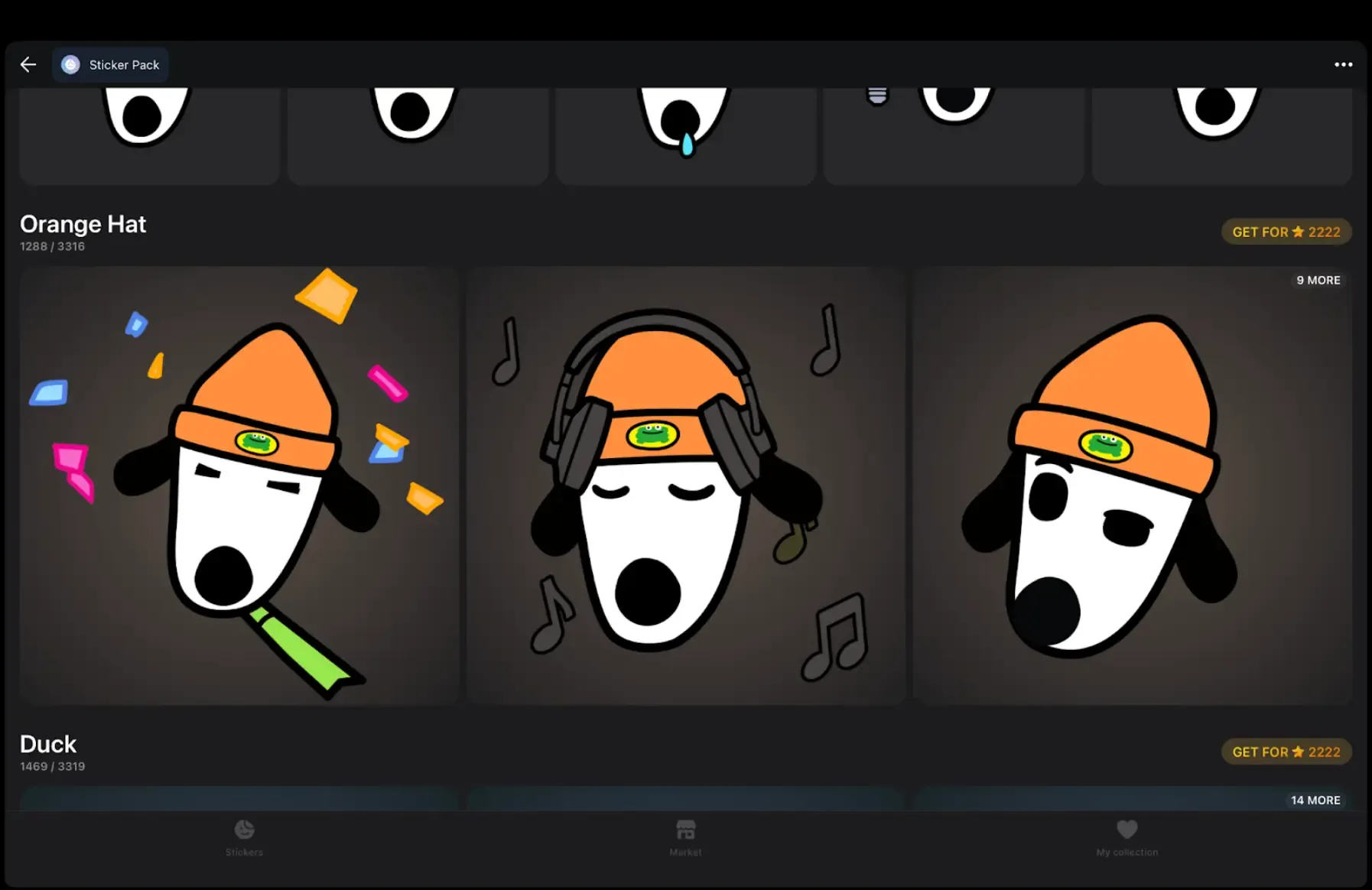
4. You’ll see two purchase options:
- With Stars
- With cryptocurrency
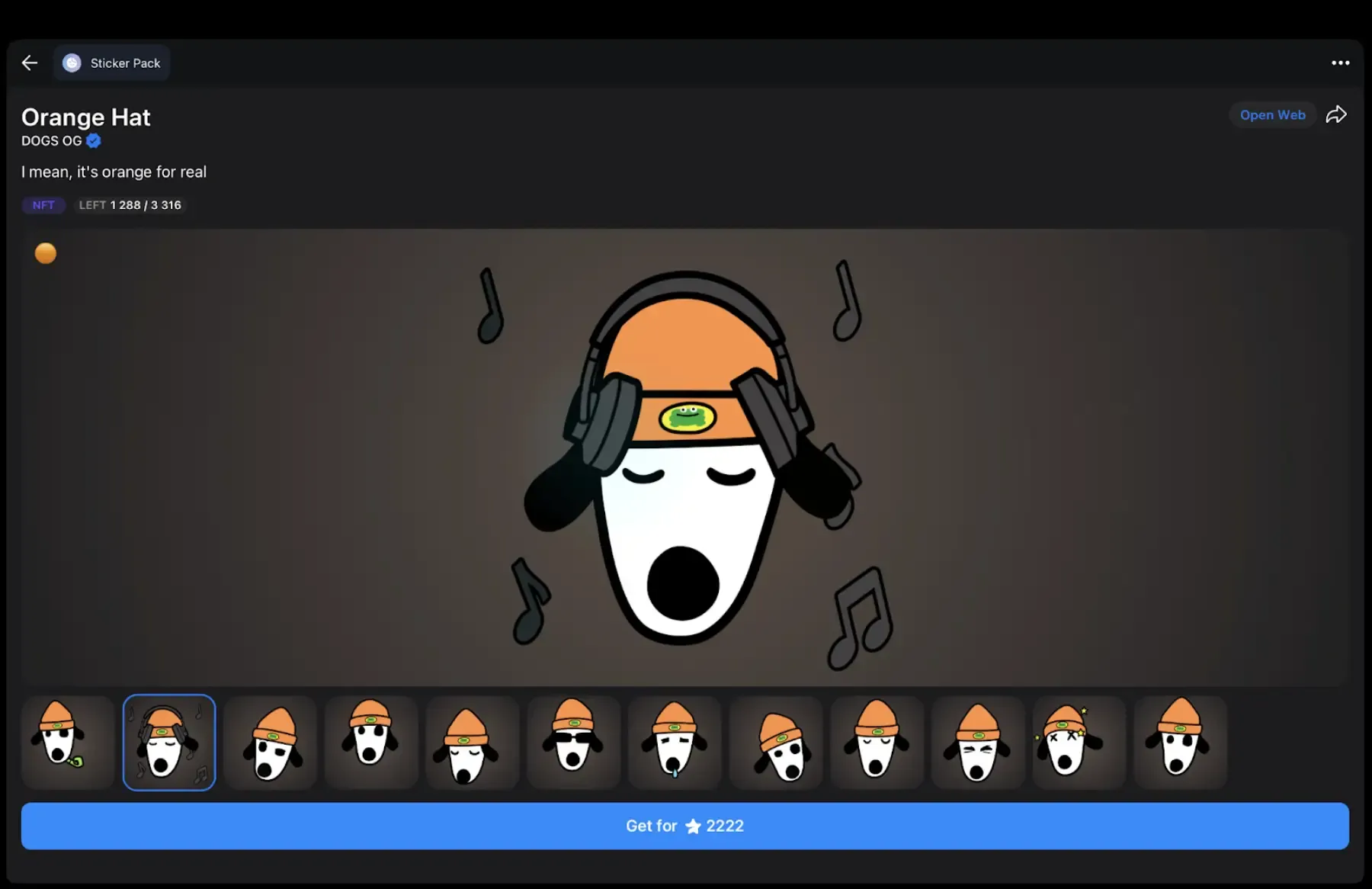
5. To buy a pack with Stars, simply press the blue button at the bottom and confirm payment. Note that in this case, the stickers will not be transferable for 21 days.
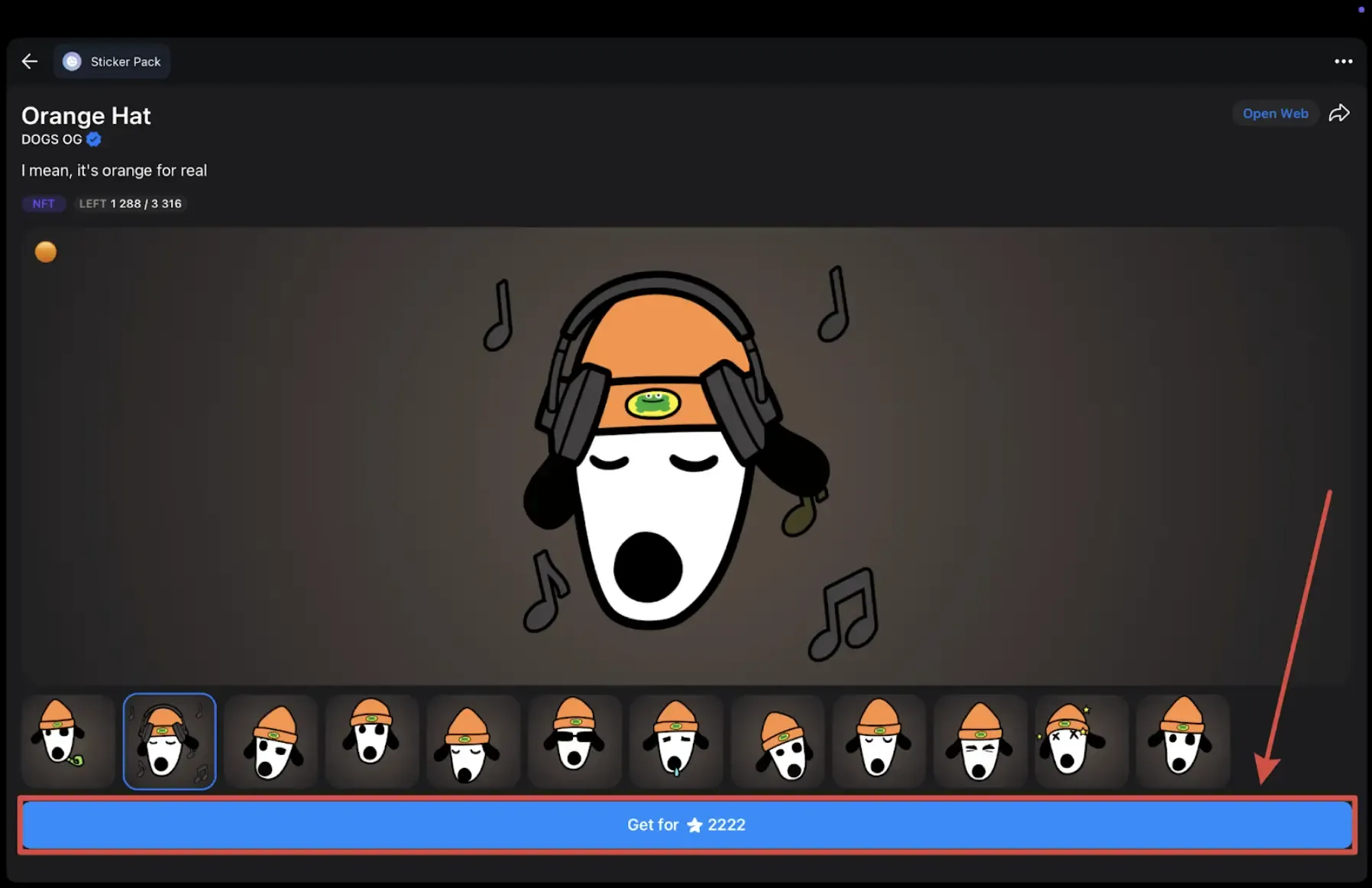
6. To avoid this restriction, use the cryptocurrency purchase option. Click the Open in Web button in the top right corner.
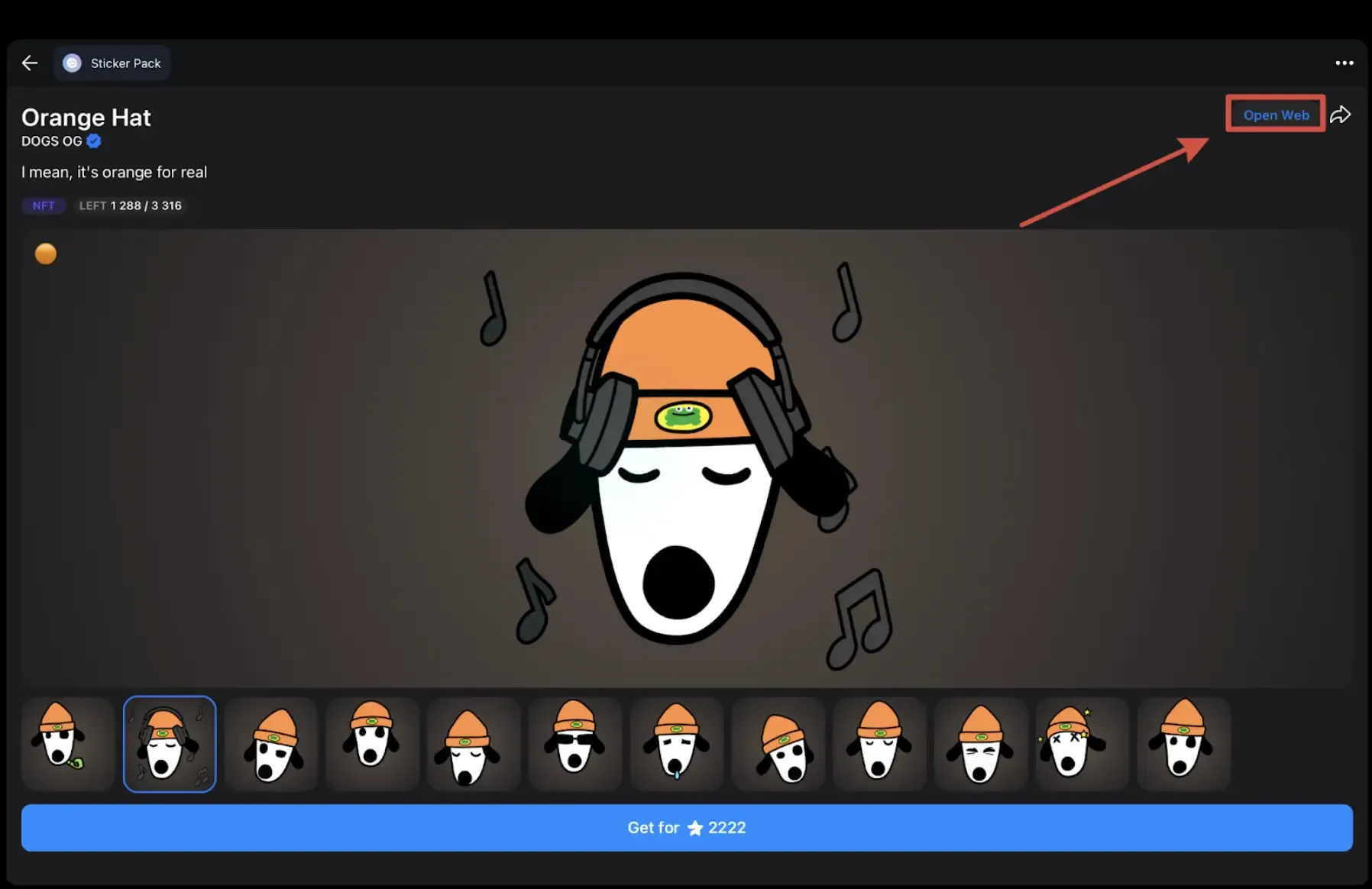
7. A page with the sticker will open in your browser, where you’ll be asked to connect your wallet.
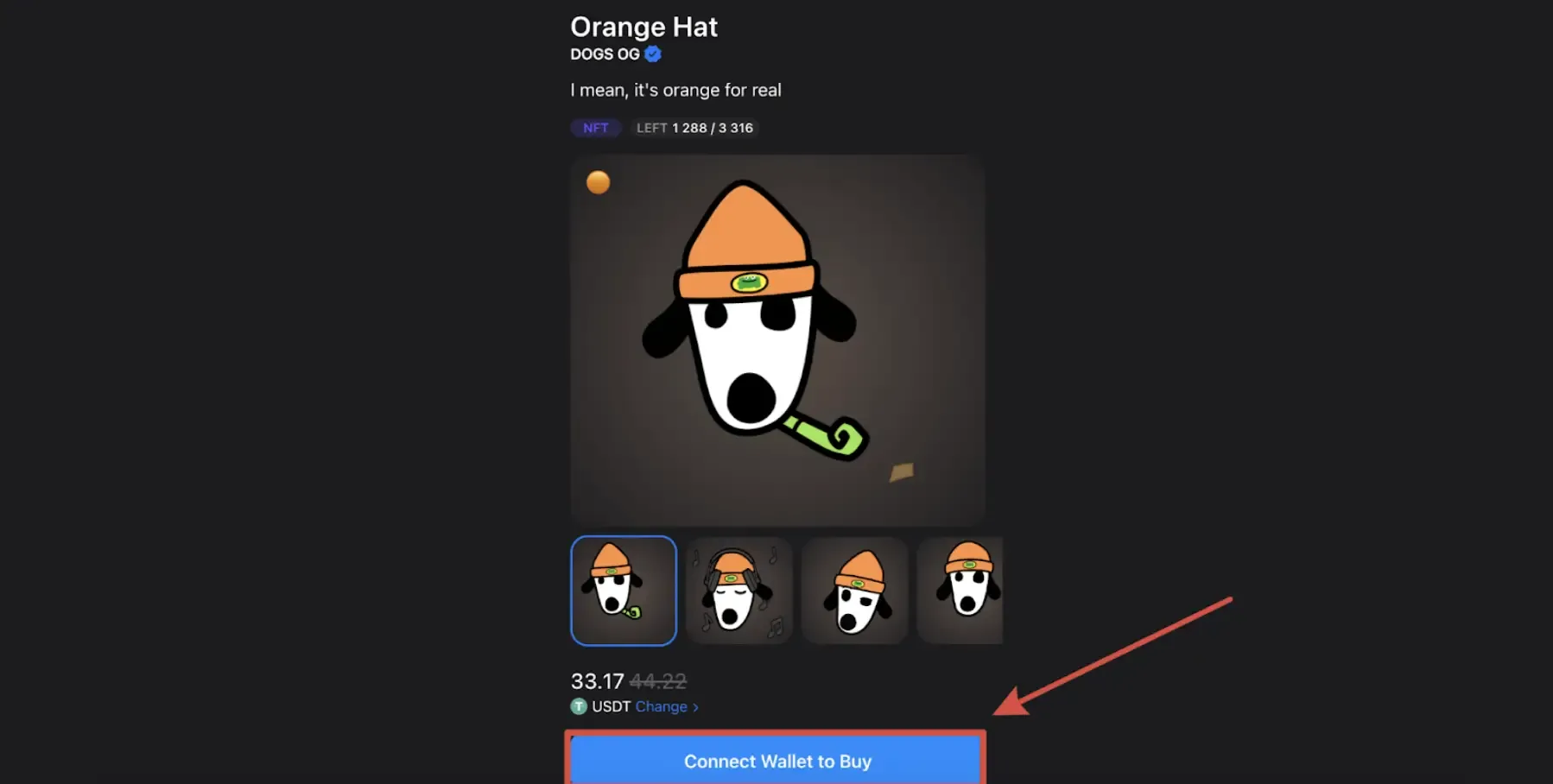
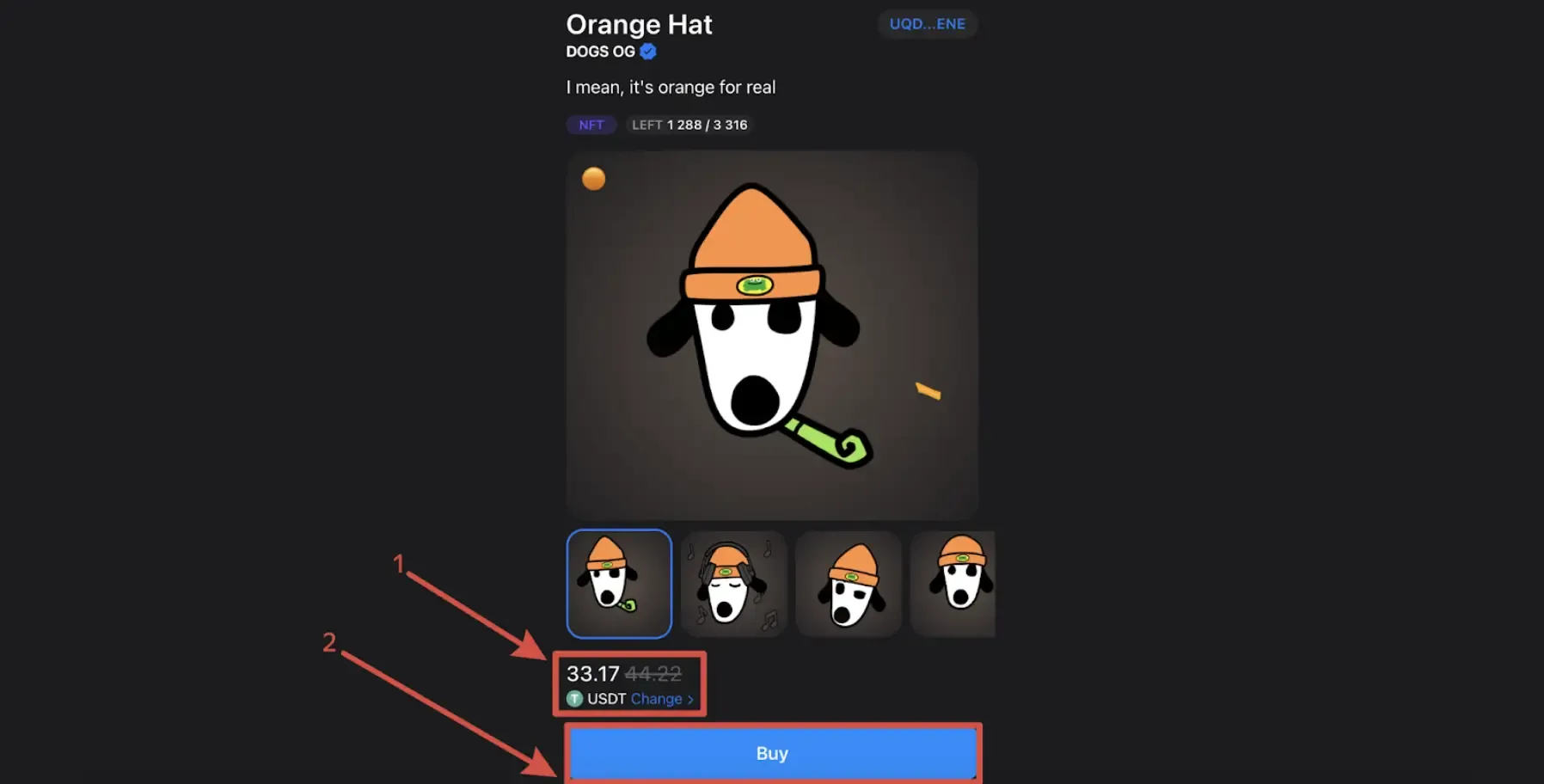
8. After connecting your wallet, select the cryptocurrency you want to pay with, then press Buy and confirm the transaction in your wallet.
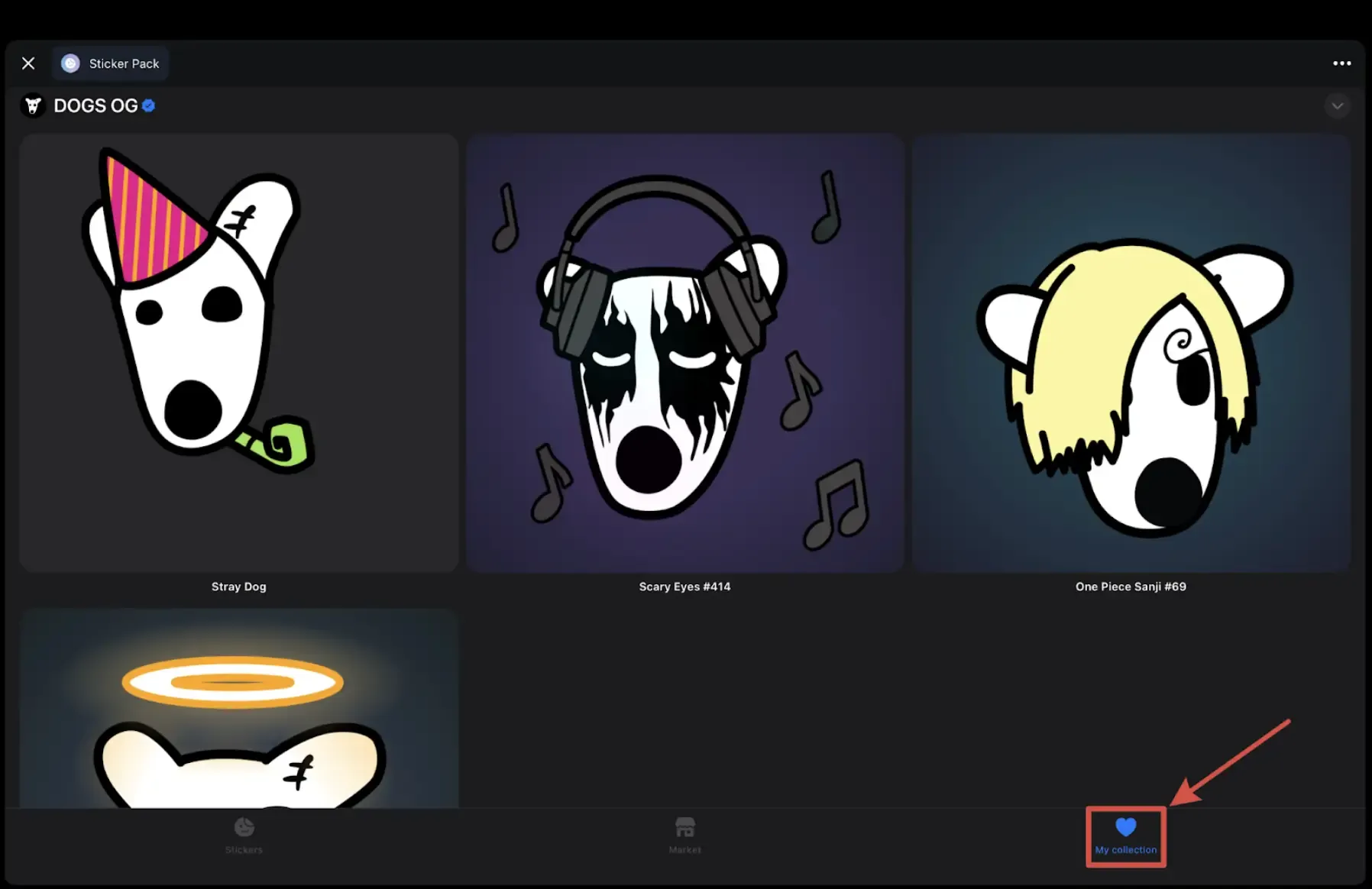
9. All purchased stickers will appear in the My Collection tab.
Buying on the Secondary Market
Over time, several secondary marketplaces for stickers have appeared:
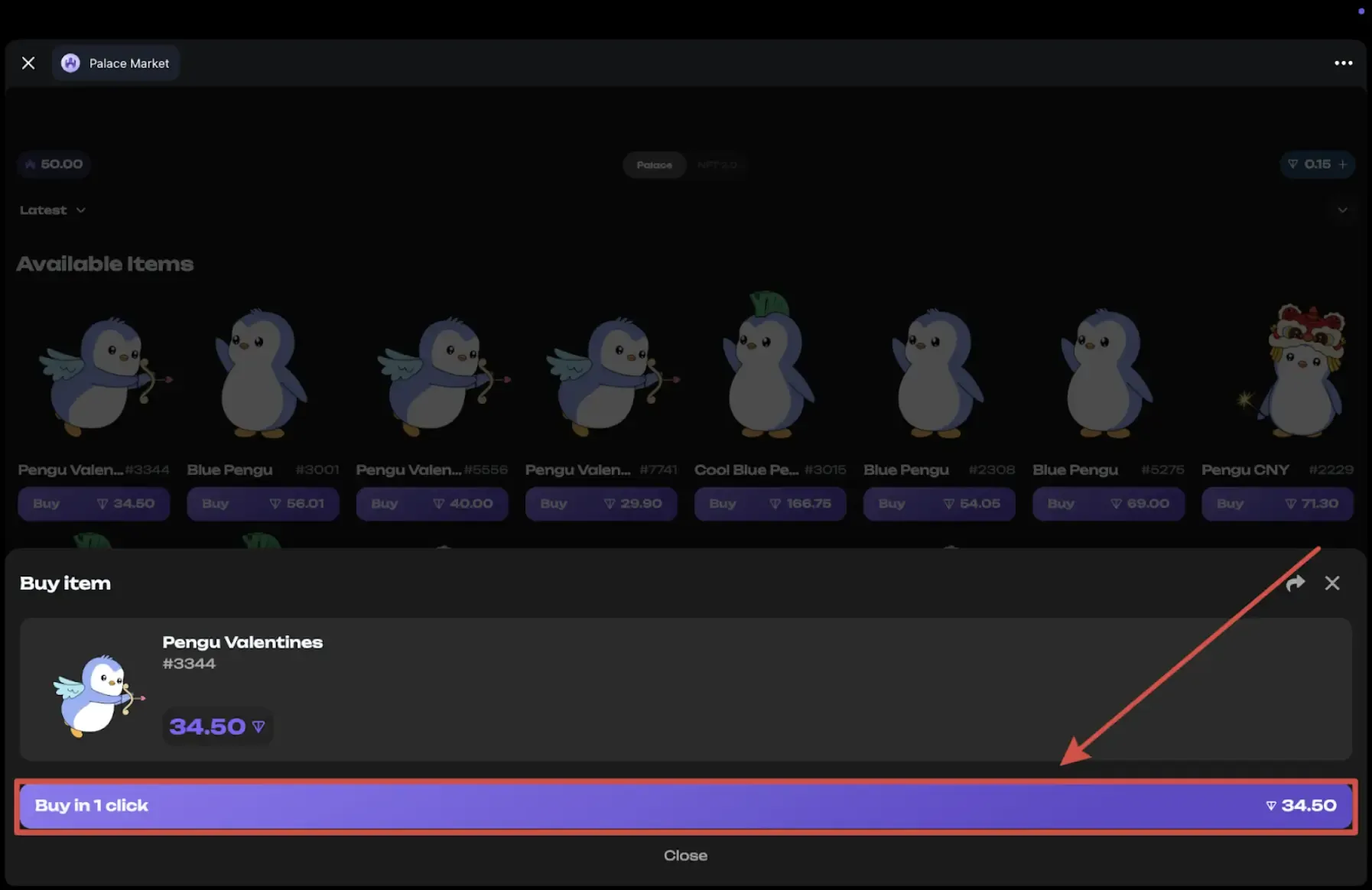
The process of buying stickers on these marketplaces is similar to purchasing with cryptocurrency. Let’s look at an example with the Palace marketplace:
1. Go to the Palace Mini App and launch it.
2. Connect your TON wallet.
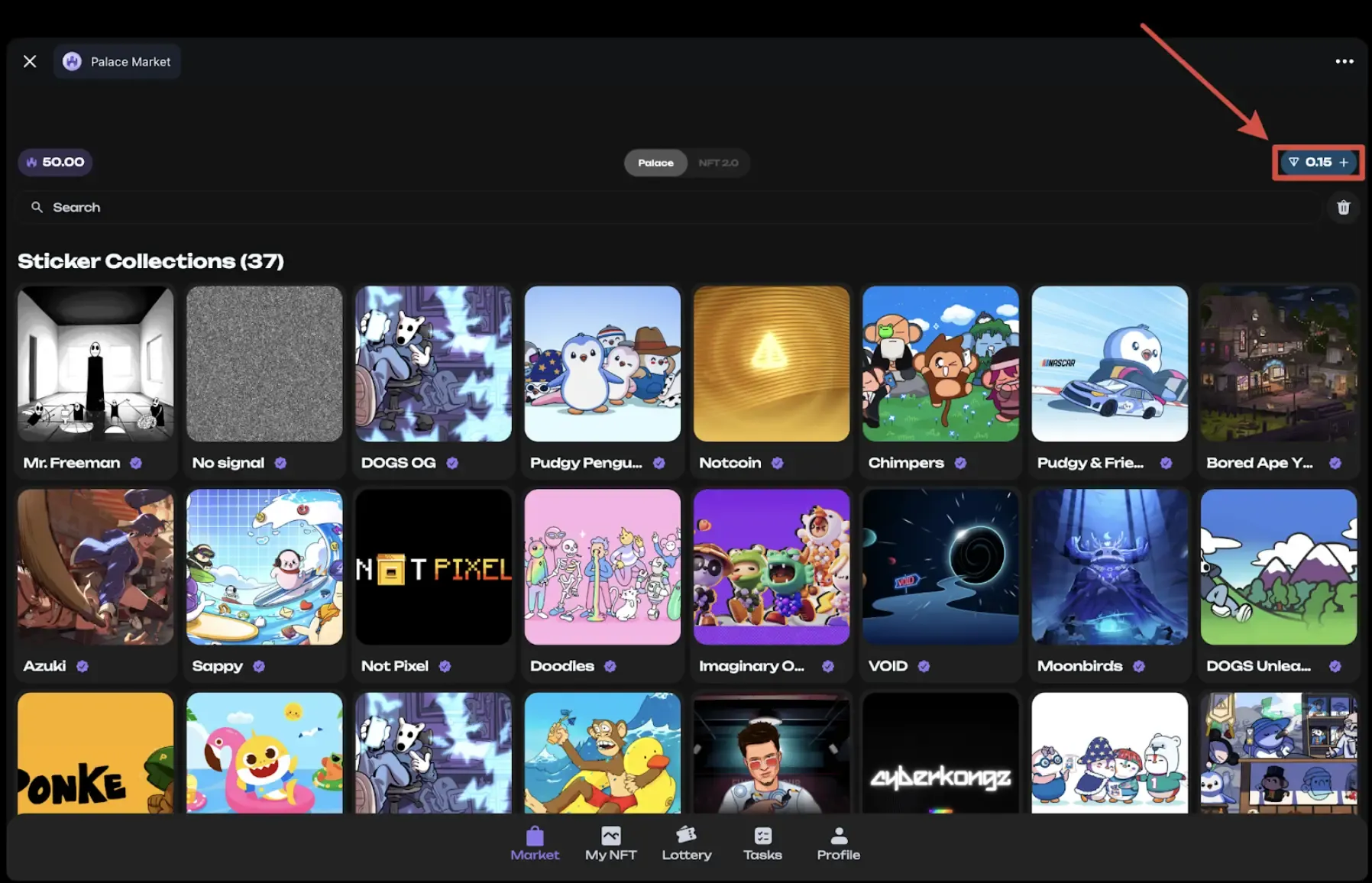
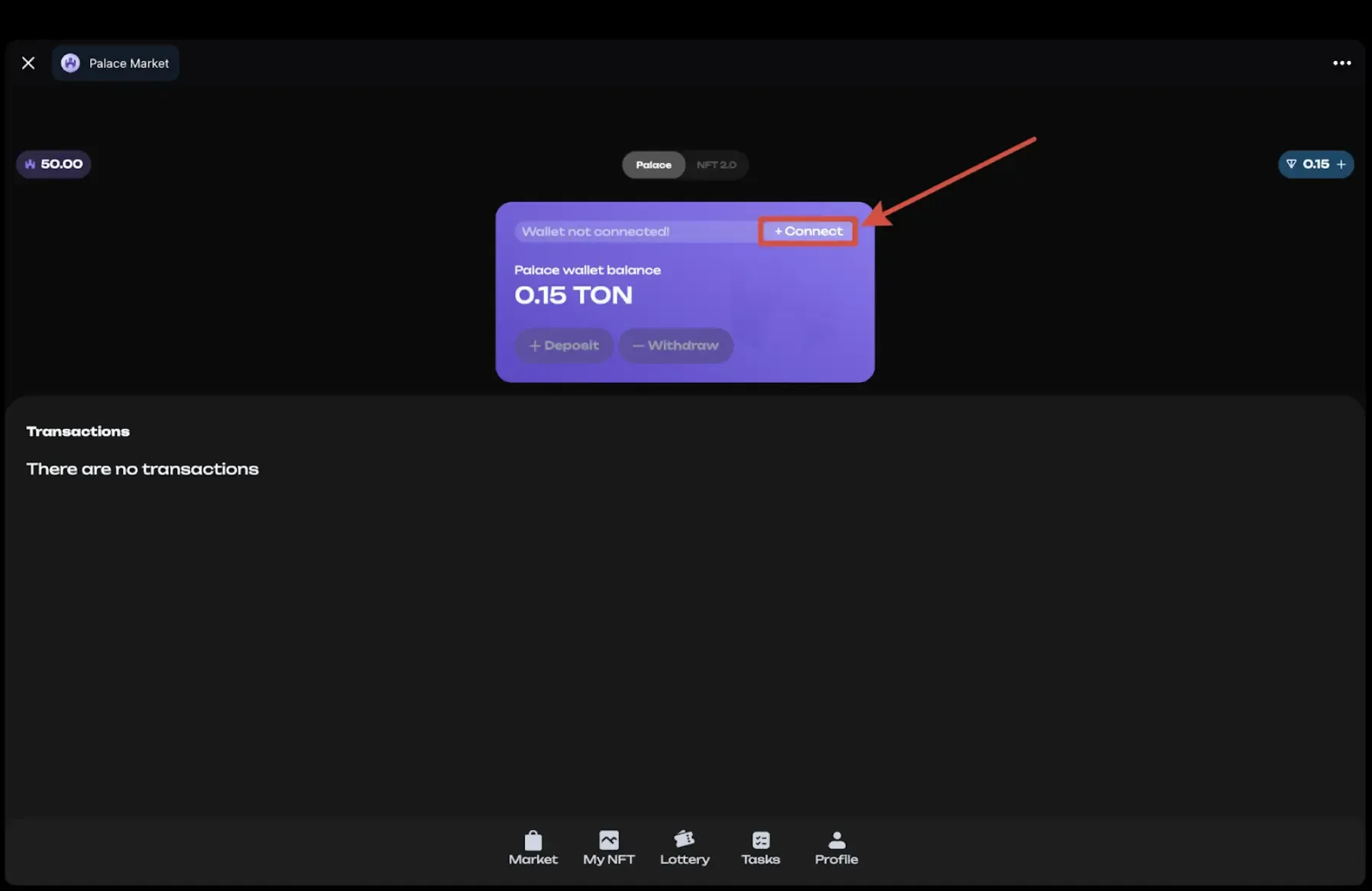
3. After connecting your wallet, top up your account with the required amount by pressing Deposit.
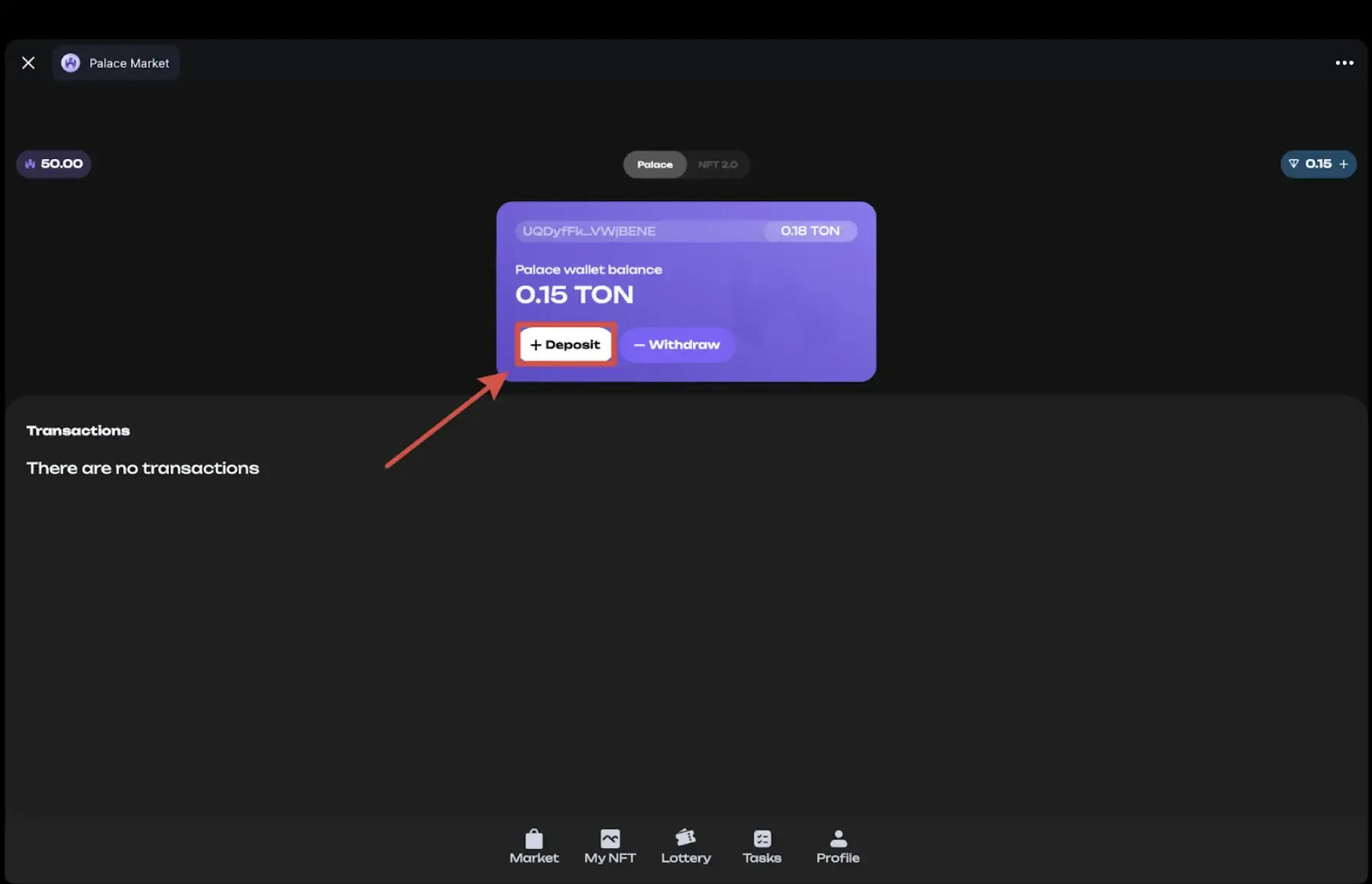
4. On the main page, choose the collection you’re interested in.
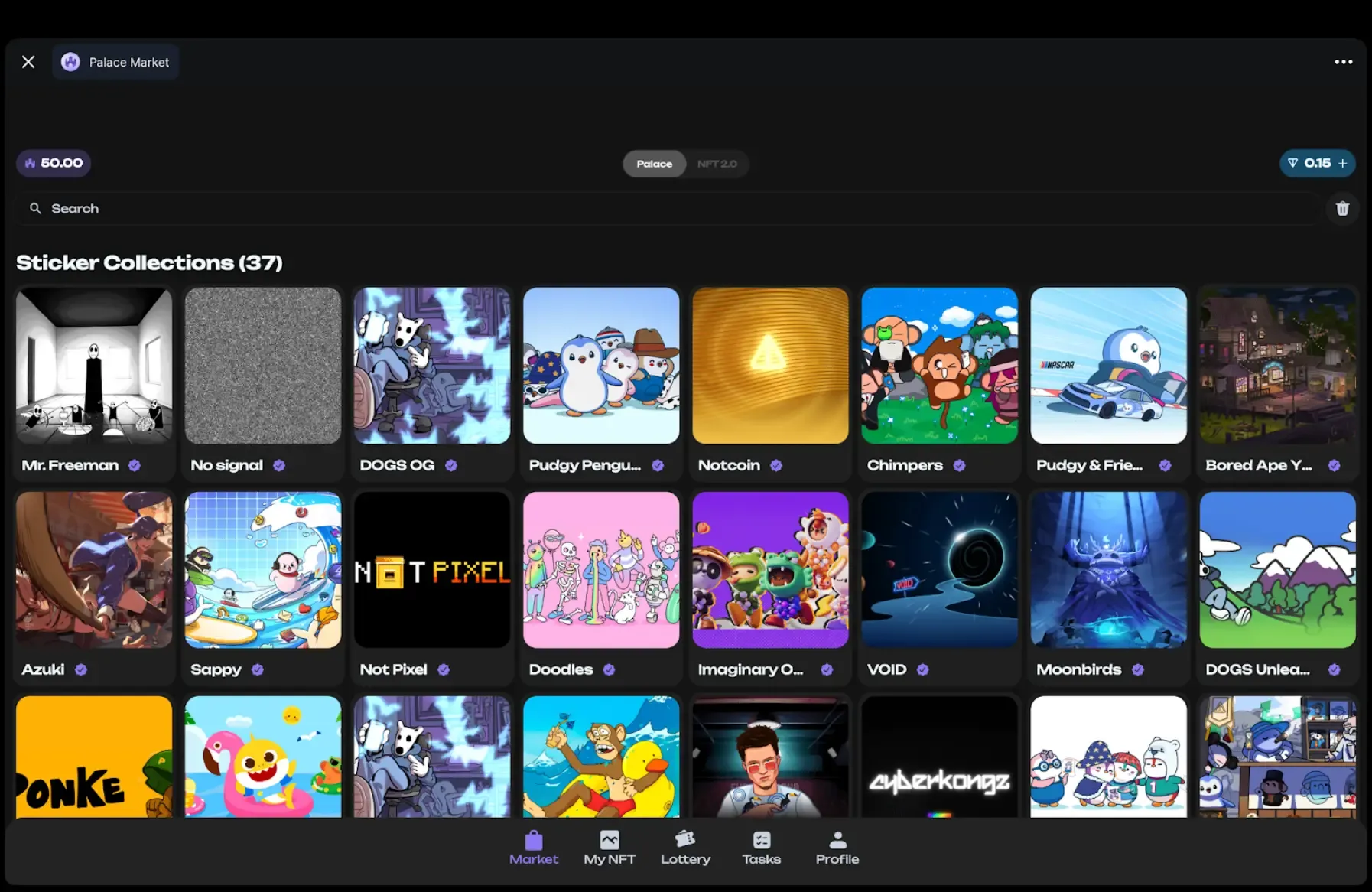
5. Select the sticker pack you want to buy, then press Buy.
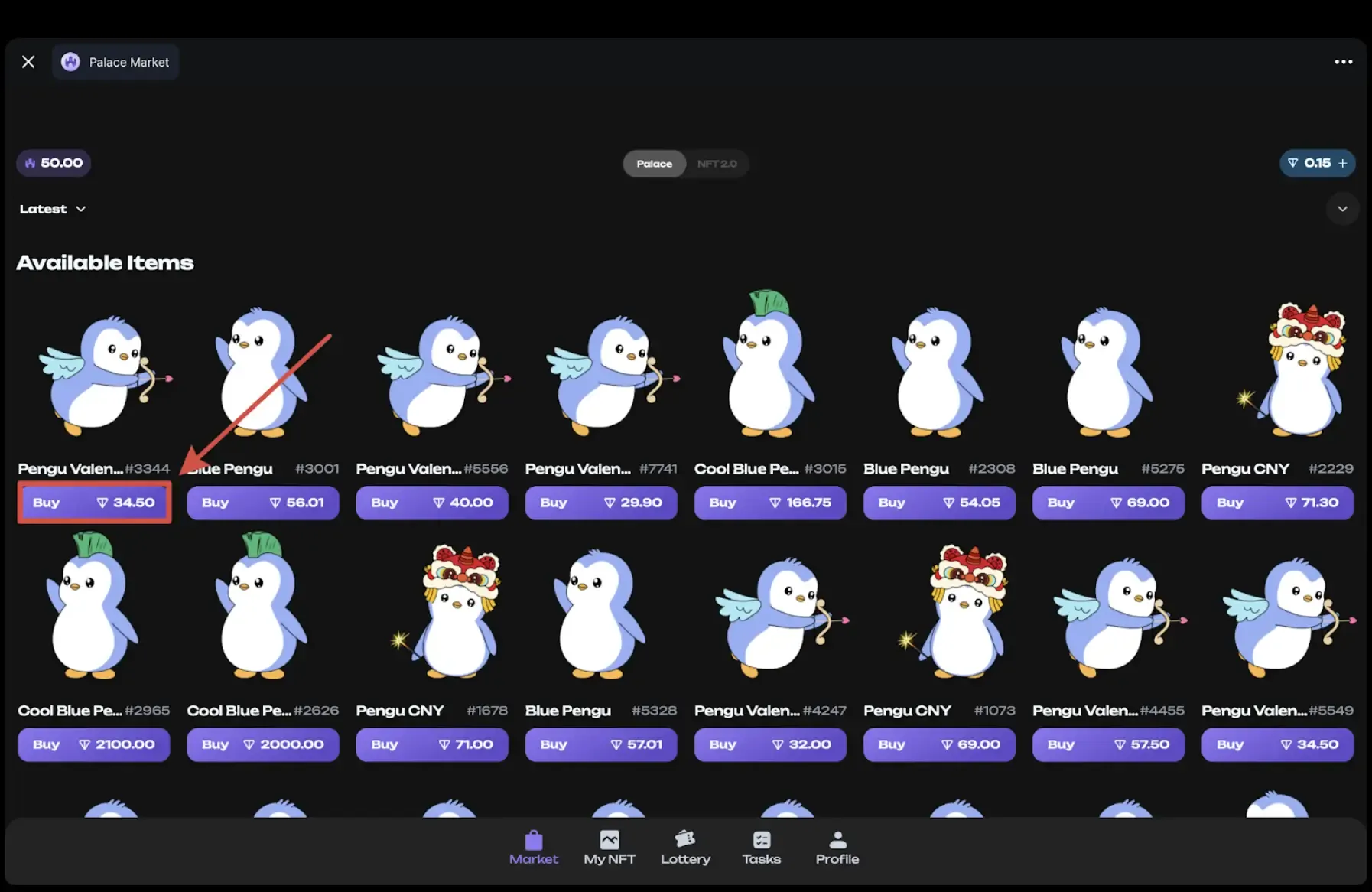
6. Press Buy in one click to confirm the purchase.
Useful Tools
Enthusiasts from the Telegram sticker community have created several useful tools for your convenience.
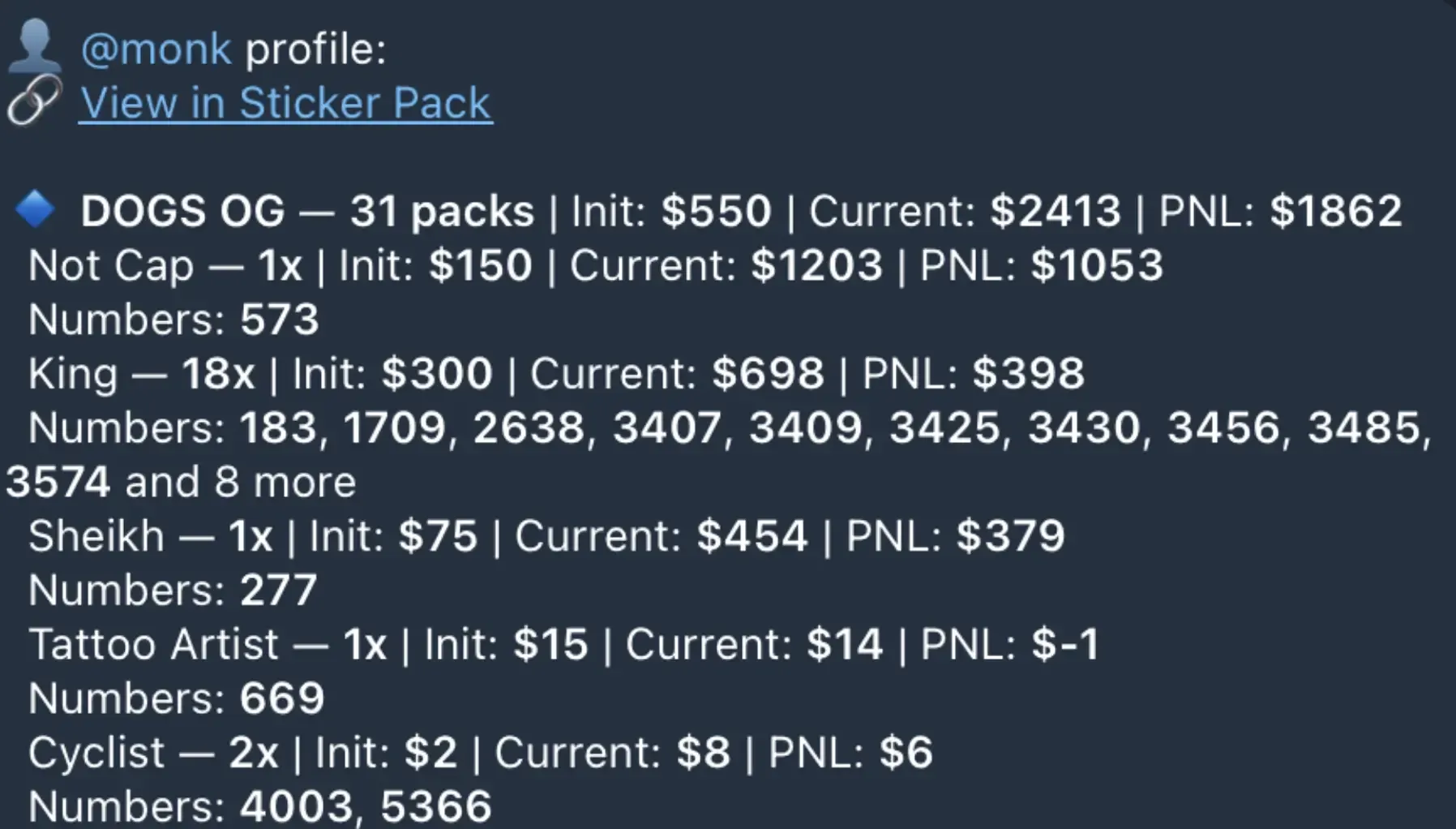
Sticker Checker
Sticker Checker is a bot that allows you to track the value of your portfolio in real time. Simply go to the bot, subscribe to the developer’s social channels, enter the username of the user whose portfolio you want to check, or use the /me command to see the value of your own portfolio.
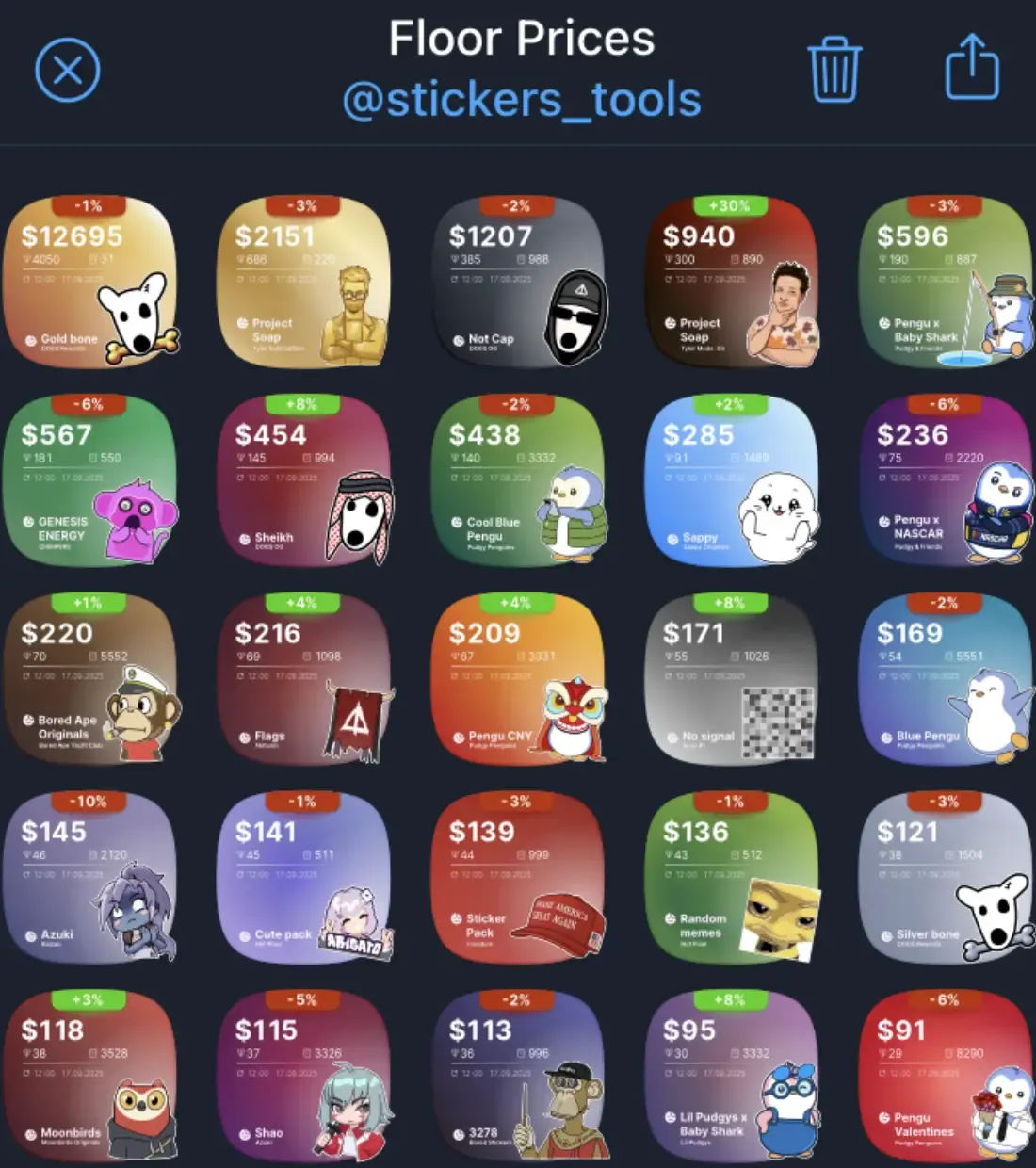
Sticker Pack with Prices
Add this sticker pack from Sticker Tools to always keep track of price movements for the most popular stickers. The pack is updated 24/7 and always displays accurate prices.
Conclusion
The idea of tokenized stickers is fairly new, and many successful brands have supported this initiative. After all, it is not only a way to earn additional revenue but also a method to expand the recognition of their IP.
Credit must be given to Alexander and his team for managing to attract such major players in the market to the TON and Telegram ecosystem as a whole. It is rather unfortunate to see the Ton Foundation once again get caught in an unpleasant situation of their own making — take, for instance, the unverified announcement about obtaining a UAE golden visa through TON staking.
One can only hope that in the future we will see the organic growth and further development of the Telegram sticker ecosystem. With the right approach, they truly could become the very bridge between Web2 and Web3, alongside Telegram gifts.