
Alpha
Best Crypto Ambassador Programs Paying Monthly Stipends (2026 Guide)
The era of volunteer "shilling" is over. In 2026, the crypto ambassador landscape has professionalized into a contract-driven sector where "Verifiable Impact" earns stable monthly income. This guide analyzes the best stipend-based programs, from Polkadot's $10,000/month governance roles to Alchemy Pay's regional salary models, providing a step-by-step roadmap to securing these competitive positions.
Key Points
- Polkadot Head Ambassadors earn a fixed salary of 10,000 USDT/month, operating as elected officials.
- Alchemy Pay offers a 200 USDT/month base salary plus uncapped performance bonuses for regional BD roles.
- Injective's Ninja Masters program unlocks monthly INJ token rewards starting at the "Knight" tier.
- The Shift: Programs now prioritize "Verifiable Impact" (dev onboarding, local events) over generic social engagement.
- The Strategy: Success requires a "Permissionless Portfolio"—proving your value via data dashboards or tutorials before you apply.
- 1. Market Context: From Volunteers to Professionals
- 2. Polkadot Head Ambassador (The Executive Role)
- 3. Alchemy Pay (The Business Development Role)
- 4. Injective Ninja Masters (The Gamified Ladder)
- 5. Emerging Opportunities: High-Potential Programs
- 6. Step-by-Step: How to Get Hired in 2026
- 7. Conclusion: Which Path is Yours?
Market Context: From Volunteers to Professionals
If you are still farming "GM" in Discord channels hoping for a role, you are playing by 2021 rules. The crypto labor market of 2026 has undergone a structural transformation. Protocols have stopped optimizing for noise and started optimizing for signal.
The new standard is "Verifiable Impact."
DAOs and Foundations are no longer interested in generic cheerleading. They are hiring for three specific archetypes, and they are paying in stablecoins (USDT/USDC) to treat these roles as quasi-employment.
The Three Archetypes of 2026
- The Technical Advocate: You onboard developers. This is the highest-paid tier, often rivaling junior developer salaries, because new dApps drive network value.
- The Content Creator: You don't just tweet; you educate. You translate complex whitepapers into accessible threads, video tutorials, and localized documentation.
- The Event Evangelist: You manage the physical layer. You run local "nodes" (meetups), manage budgets for venues, and act as the local face of a global protocol.
Before you apply to any program, ask yourself: Which of these three problems am I solving for the protocol?
Polkadot Head Ambassador (The Executive Role)
If you are looking for a role that functions like a full-time executive position, Polkadot is the gold standard. It is not just a community role; it is a political appointment within the Polkadot OpenGov framework.
Posted by former Parity contributor and current ecosystem builder, references historical group of Polkadot Head Ambassadors and their lasting contributions, confirming the role's established, professional status within OpenGov/treasury framework:
Behind me is the group photo of ex-@Polkadot Head Ambassadors... What an era :)
The Offer
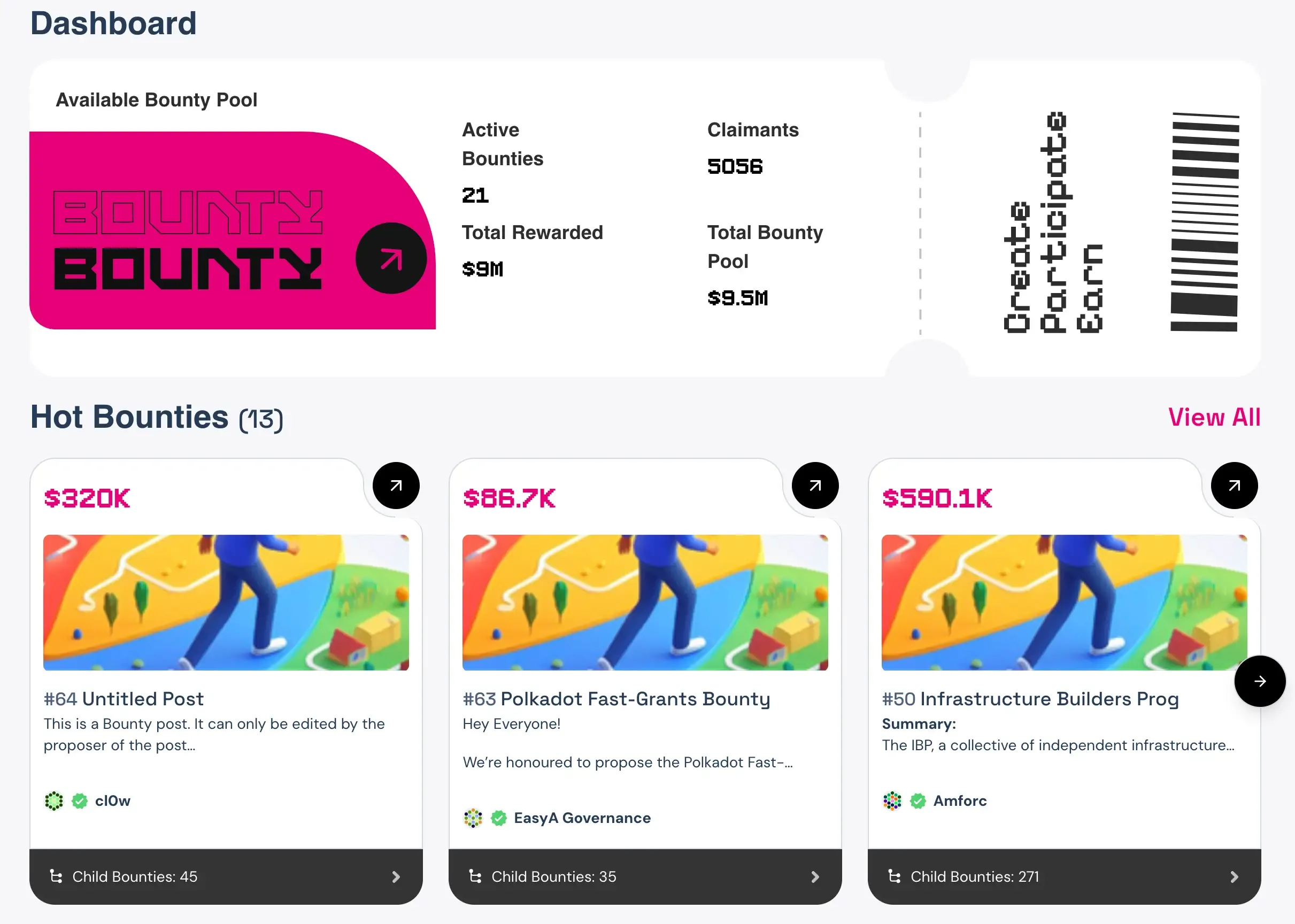
- Salary: 10,000 USDT per month.
- Structure: There are only 21 seats available globally.
- Passive Allowance: If you need to take leave (illness/vacation), the rate adjusts to 2,000 USDT/month to prevent burnout.
How It Works
Unlike standard jobs where you interview with HR, here you must be elected.
- Campaigning: You must convince DOT token holders that you can bring value to the ecosystem. This involves publishing a manifesto and lobbying "Decentralized Voices" (large delegates).
- Skin in the Game: Candidates often need to place a "Decision Deposit" (e.g., 5,000 DOT) to deter spam applications.
- The Mandate: Your job is high-level business development (Enterprise adoption) and regional strategy. You effectively manage a sub-treasury for your region.
The Catch: It is competitive and political. You can be voted out by the community if you fail to deliver value.
The "Head Ambassador" role ($10k/month) isn't hired by HR—it's elected on-chain. This official guide visually breaks down the "Tracks" and "Referenda" system you must navigate to secure your funding:
Alchemy Pay (The Business Development Role)
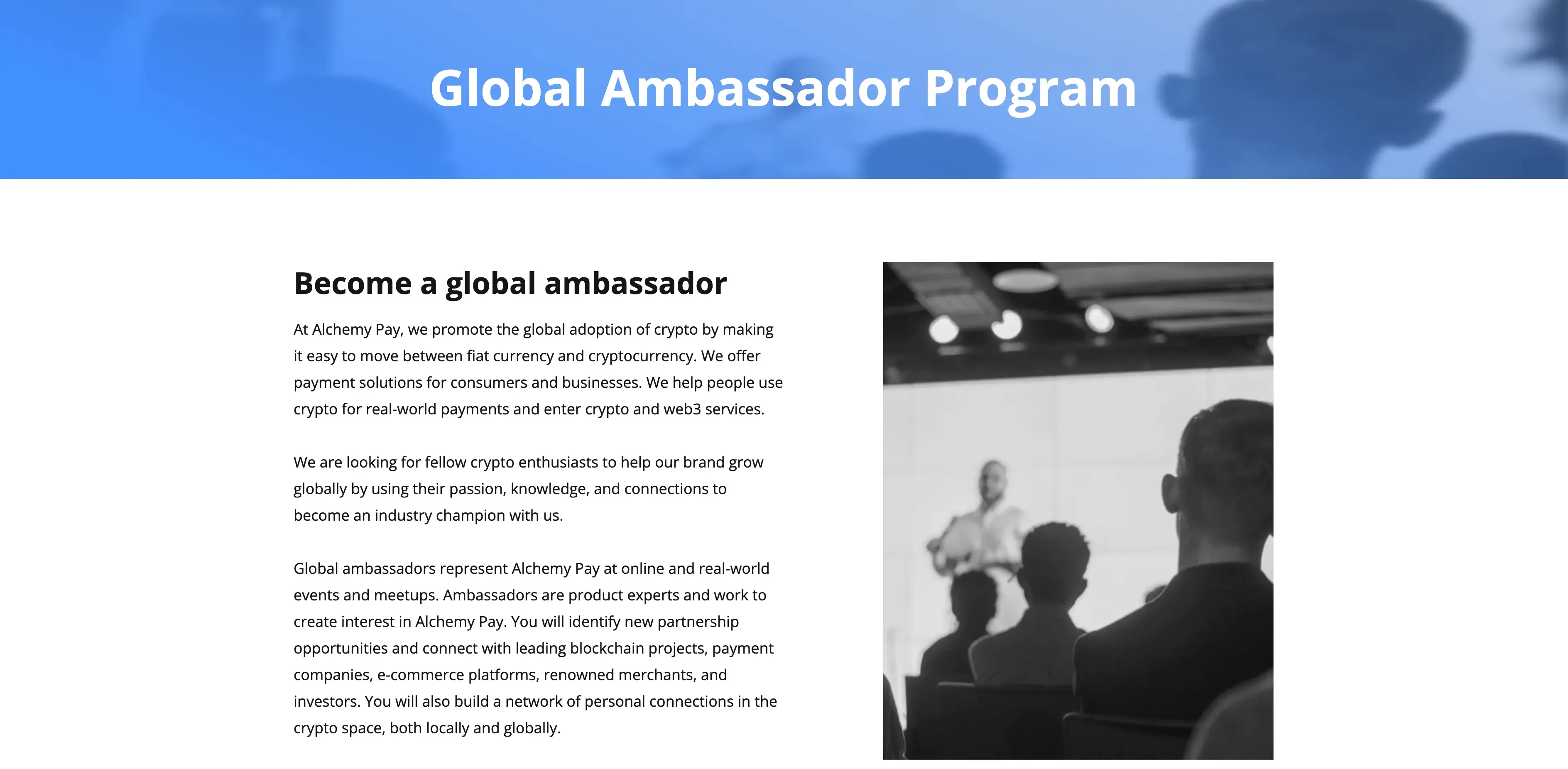
For those who prefer a traditional sales structure over blockchain politics, Alchemy Pay offers a clear, meritocratic path. This program mirrors their business model: bridging fiat and crypto.
The Offer
- Base Salary: 200 USDT per month.
- Performance Bonus: Uncapped. You earn bonuses for every successful merchant integration or partnership you secure.
- Role: Regional Ambassador / Business Development Representative.
How It Works
This is a boots-on-the-ground role. Alchemy Pay needs local representatives to speak the language and navigate local regulations (like money transmitter licenses).
- Deliverables: You are expected to manage local communities and pass monthly assessments to unlock your base pay.
- The Opportunity: The real money is in the partnerships. If you can connect Alchemy Pay with local e-commerce platforms or payment processors in your region, the performance bonuses can significantly exceed the base salary.
Best For: Users with strong local networks in FinTech or e-commerce who want a stable base with high upside.
Alchemy Pay isn't a "degen" project; it's a bridge to traditional finance. This corporate presentation showcases the scale of their Visa/Mastercard partnerships, helping you understand the professional, "suit-and-tie" culture you need to adopt to succeed in their Business Development interview:
Injective Ninja Masters (The Gamified Ladder)
If you want a clear progression path—like leveling up in a video game—Injective's "Ninja Masters" program is the best designed system in the industry. It filters out passive users and rewards grinders.
Nexus is powering the new Injective Ambassador program, offering upgraded progression tiers and refreshed reward allocations.
The Offer
- Compensation: Monthly INJ token rewards.
- Eligibility: Payments begin at the Knight rank.
- Currency: Native INJ tokens (high upside in bull markets, but volatile).
The Rank Hierarchy
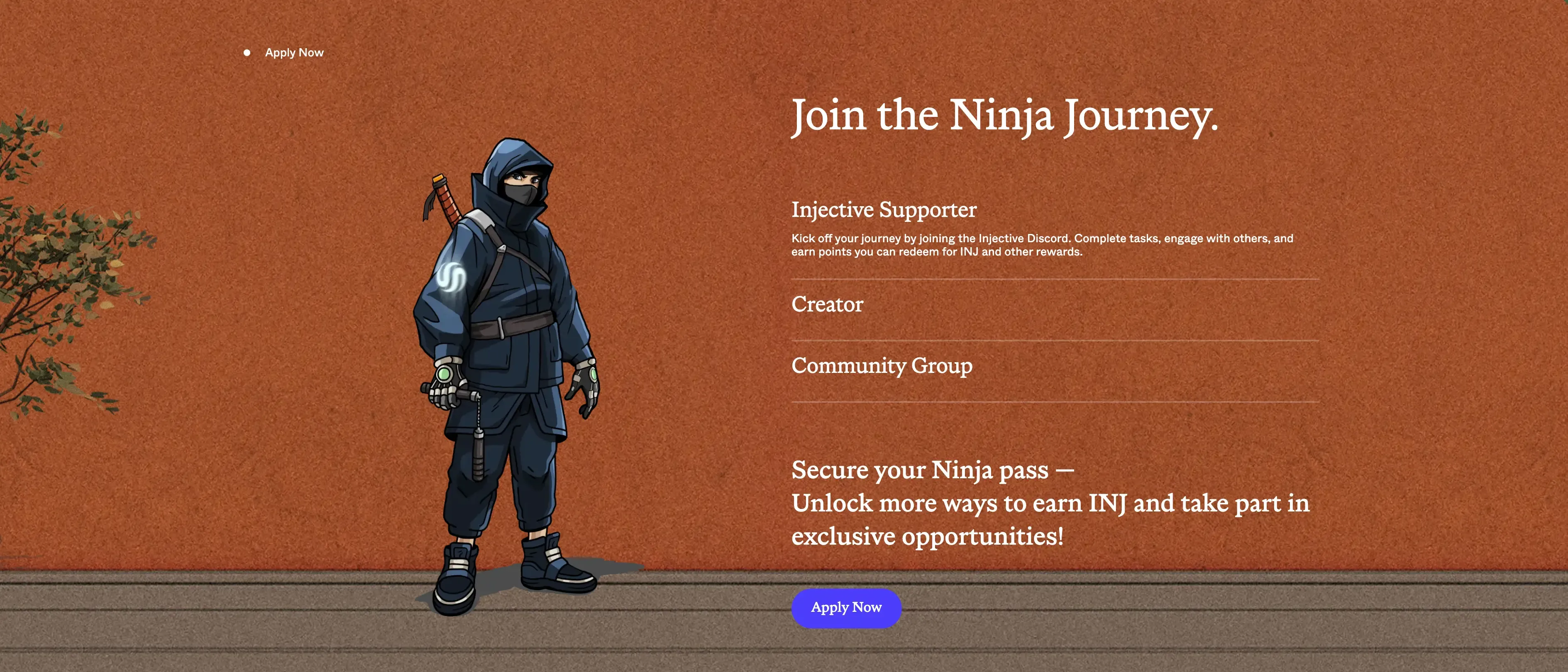
- Ninja & Warrior (Unpaid): This is the training ground. You must reach Level 7 in Discord and prove you are a real user (not a bot).
- Knight (Paid): The first elite tier. To unlock this, you must submit a portfolio of contributions and execute at least 3 on-chain transactions.
- Lord & Master (High Paid): These are regional leads who manage groups of Knights. They receive the largest share of the reward pool.
The "Up-or-Out" Rule
Injective has a strict retention policy. If you are inactive for three consecutive months, you risk demotion. This ensures the reward pool isn't diluted by "zombie" ambassadors.
Best For: Content creators and community moderators who want a transparent path to monetization without needing to win an election.
Official Injective account detailing monthly Community BuyBack mechanism that distributes ecosystem revenue shares to active "loyal ninjas" based on onchain contributions, aligning with verifiable impact criteria and recurring token rewards for ambassadors:
The Community BuyBack is a monthly onchain event... rewarding loyal ninjas across the community.
Emerging Opportunities: High-Potential Programs
Beyond the "Big Three," several ecosystems are launching aggressive incentive programs for 2026. These may not offer fixed salaries yet, but they offer high-value grants and "points" that often convert to significant airdrops.
Monad (Layer 1)
- Why it matters: Monad is an EVM-compatible chain capable of 10,000 TPS. They are heavily capitalizing on the "Monad Momentum" incentive program.
- The Opportunity: They need Technical Advocates to explain parallel execution. Compensation is likely performance-based (XP/Tokens) rather than a stipend, but early positioning in this high-hype ecosystem can be incredibly lucrative.

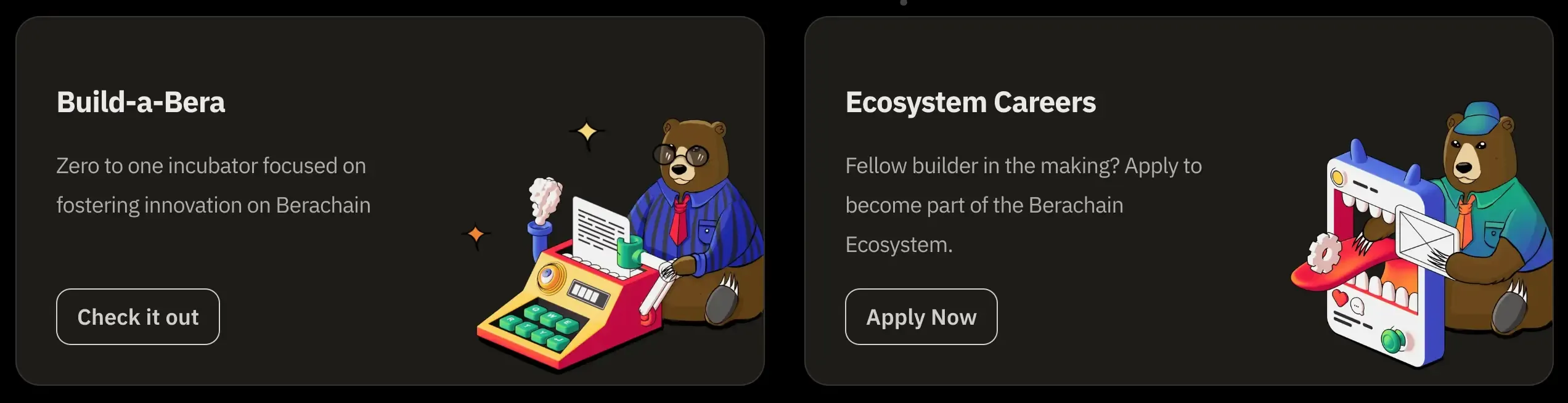
Berachain (Layer 1)
- Why it matters: Known for its "Proof-of-Liquidity" model and cult-like community ("The Cult").
- The Opportunity: Content Creators who can make memes and educational threads. Berachain rewards "stickiness" and culture. Expect rewards in BERA or BGT (governance tokens).
Arbitrum (Layer 2)
- Why it matters: Arbitrum uses a Retroactive Funding model. Instead of a monthly salary, you do the work, report it, and the DAO votes to award you a grant.
- The Opportunity: Ideal for builders and educators who prefer autonomy. If you build a tool or course that brings value, the retro-payments can be substantial (often $10k+).
Step-by-Step: How to Get Hired in 2026
You cannot simply fill out a Typeform and wait. The market is too competitive. You need to build a Permissionless Portfolio.
Step 1: The "3-Piece" Rule
Before you apply, create three pieces of value to prove your competence.
- A Tutorial: Write a guide on "How to bridge to [Protocol]" on a Web3 platform like Mirror.xyz.
- A Dashboard: Use Dune Analytics to visualize a basic metric (e.g., "Daily Transactions"). This proves you understand data.
- A Thread: Summarize a recent governance vote or technical update on X (Twitter).
Step 2: The Discord Grind (Strategic)
Don't just say "GM." Go to the #support or #dev channels.
- Answer Questions: Help new users before the moderators do.
- Be Visible: Update your profile picture to match the community vibe (e.g., a Ninja avatar for Injective).
- Share Your Work: Post your "3-Piece" content in the community content channel and tag the Community Managers (CMs)—but only when you have value to show.
Step 3: The Application
When you finally submit the form, focus on metrics.
- Bad: "I love the community and want to help."
- Good: "I manage a local Telegram group of 500 traders and my last tutorial on bridging generated 200 on-chain transactions."
Safety Note: Legitimate projects never DM you first to offer a job. If a "recruiter" sends you a file to "test," it is likely malware. Only apply through official links found on the protocol's verified Twitter or Website.
Conclusion: Which Path is Yours?
- For Stability: Choose Polkadot or Alchemy Pay. The stablecoin payments ($200–$10,000) allow you to treat this as a real job with predictable income.
- For Upside: Choose Injective or Berachain. Getting paid in native tokens (INJ/BERA) is risky, but in a bull market, your "salary" effectively multiplies.
- For Builders: Choose Arbitrum. The retroactive grants reward autonomy and high-impact technical work.
The opportunities are there, but they are reserved for professionals. Stop treating it like a gig, start treating it like a contract, and build the portfolio to prove you are worth the stipend.